
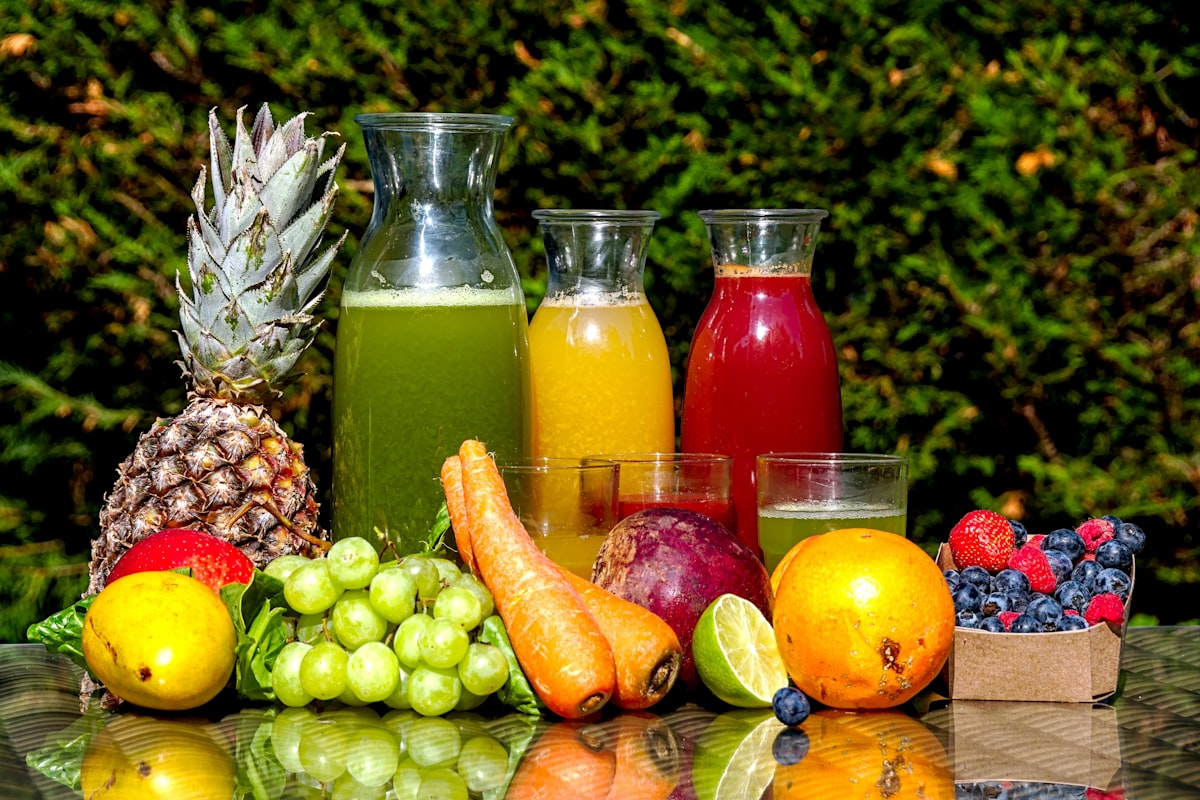
I've been staring at the functional beverage aisle for years now. Every bottle promises something: antioxidants, electrolytes, adaptogens, "clean energy." The claims have gotten so dense that I've started to wonder - does anyone actually believe this stuff? Or have we collectively learned to tune it out?
Here's what really got me curious: I noticed that the more specific a health claim, the more sceptical I became. "Antioxidant-infused" sounds vaguely healthy. But when I tried to explain what that actually meant to my friend, I couldn't. And I suspect most shoppers are in the same boat.
So I ran a study with six US beverage consumers to find out: what actually drives purchase in the functional drinks category? Spoiler: it's not the claims.
The Participants
I recruited six personas aged 28-47 from California, Massachusetts, and New York. The mix was deliberately practical: a QA professional who reads every label, a healthcare worker who's seen too many fad diets, an engineer who approaches everything like a systems problem, and several pragmatic shoppers who just want something that tastes good and doesn't cost too much.
What they had in common: they'd all bought functional beverages before, but none of them considered themselves health-obsessed. They were the "I'll try something if it's not too expensive and actually tastes good" crowd.
The Two-Sip Test
The first thing that emerged was a remarkably consistent decision process. Every single participant described the same flow:
"Price glance. Quick label scan for calories and sweetener. Cold two-sip test for aftertaste and mouthfeel. Repeat only if taste and value clear."
That's it. That's the entire decision framework. Notice what's missing? Any consideration of health claims until after the taste test passed.
And the two-sip test isn't metaphorical. They literally take two sips. The first is to get past the initial novelty. The second is to check for aftertaste. If there's any lingering weirdness - that artificial, perfume-y quality that some sweeteners leave behind - they're done. No repeat purchase, no matter how compelling the claims.
Key insight: Taste is the gatekeeper. Everything else - claims, sustainability, brand story - only matters if you pass the two-sip test first.
The Antioxidant Scepticism
When I asked specifically about "antioxidant-infused" claims, the feedback was brutally clear. One participant called it exactly what it is:
"Marketing fluff. A sticker to charge three bucks."
The problem isn't that people don't believe antioxidants exist. It's that the claim is too vague to mean anything. What antioxidants? From where? In what amount? Does this serving actually do anything measurable?
The QA professional in my study had a specific demand: "I need quantified sources and amounts. Not aspirational health halos. Tell me it's 200mg of polyphenols from green tea. Then I can actually evaluate if that matters."
What's interesting is that this scepticism isn't cynicism. These participants would genuinely like to believe the claims. They'd like to think they're getting some health benefit from their beverage choice. But they've been burned too many times by vague promises and disappointing products.
Key insight: Vague claims don't build trust - they erode it. Specificity is the path to credibility.
The Ultra-Low Sugar Trap
Here's something that surprised me: ultra-low sugar positioning often backfires.
When participants saw "1g sugar" or "10 calories" on a beverage that should taste sweet, their immediate reaction wasn't "great, healthy!" It was "oh no, what artificial sweetener did they use?"
This creates a nasty catch-22. Brands trying to hit the "healthy" marks on sugar and calories often have to use non-nutritive sweeteners. But those sweeteners - especially stevia and sucralose - trigger immediate concern about off-notes and aftertaste. The very thing that's supposed to make the product healthy makes consumers less likely to try it.
One participant described the mental calculation: "When I see super low sugar and it's supposed to taste like fruit, I assume it's going to taste like chemicals. I've been disappointed too many times."
The exception? Monk fruit got notably less pushback than stevia or sucralose. Several participants mentioned it as an acceptable alternative, though still not ideal. "At least monk fruit doesn't leave that weird coating on my tongue."
Key insight: Low-sugar claims can deter trial if they signal artificial sweeteners. The packaging creates expectations the product often can't meet.
The Price Ceiling
Price sensitivity was more aggressive than I expected. For a single-serve functional beverage, the ceiling for trial consideration was remarkably firm: $1.99 or less.
One budget-conscious participant was even more direct: "Under $1.50 or I'm not trying it. I'm not paying a premium for claims I can't verify."
What's notable is that these participants weren't poor. They had reasonable incomes and regularly spent money on beverages. But they absolutely refused to pay what they perceived as a "health claim tax" - a premium for marketing language rather than substantive product differences.
The implication for brands is stark: you can't use antioxidant or wellness claims to justify premium pricing. Those claims need to be table stakes at competitive prices, not reasons to charge more.
Sustainability as Tiebreaker, Not Driver
I asked about "100% recycled plastic" claims. The response was nuanced.
Yes, sustainability matters to these consumers. But it functions as a tiebreaker, not a purchase driver. If two products taste equally good and cost the same, the more sustainable option wins. But nobody is buying a worse-tasting drink because the packaging is recyclable.
And crucially: the vague claim triggers the same scepticism as health claims. "100% recycled plastic" prompts immediate questions. Is that the bottle body? The cap? The label? What percentage of the actual packaging is that claim covering?
The engineer in my study had a particularly pointed observation: "If you can't tell me the specifics - rPET percentage in the body, cap material, third-party verification - then it's greenwashing. I've learned not to trust vague sustainability claims."
And importantly: no willingness to pay a premium for sustainability. None. It needs to come at cost parity or it's irrelevant.
Format Matters More Than You'd Think
An unexpected finding: packaging format significantly influenced perceived quality and trial likelihood.
Cold, canned singles felt premium. They signal freshness and quality in a way plastic bottles don't. The tactile experience of a cold aluminium can creates expectations of a better product inside.
Plastic bottles with shrink-wrap sleeves had the opposite effect. They felt cheap, mass-market, and less trustworthy. The sustainability-conscious participants particularly disliked the sleeves: "It's clearly just marketing surface area. And it makes recycling harder."
What This Means for Functional Beverage Brands
If I were a functional beverage brand reading this research, here's what I'd take away:
Fix the taste first. Everything else is irrelevant if you fail the two-sip test. Eliminate aftertaste through better sweetener blending or unsweetened variants. Badge "no stevia or sucralose" if you can.
Replace vague claims with specifics. Not "antioxidant-infused" but "200mg polyphenols from green tea." The precision signals credibility.
Price for trial. Stay at or below $1.99 for single-serve. Use BOGO and sampling to drive initial trial. Don't expect claims to justify premiums.
Prioritise cold can placement. If you're in plastic, at least specify rPET body percentage and eliminate unnecessary sleeves.
Add QR verification. Link to lab-backed data: certificates of analysis, sourcing details, recycled-content verification. Let sceptics verify if they want to.
The Bigger Picture
What struck me most about this research was how pragmatic and consistent the feedback was. These weren't health sceptics who don't believe in functional benefits. They were normal consumers who've been disappointed too many times by overpromising and underdelivering.
The path forward isn't to abandon health claims - it's to substantiate them. Be specific. Be verifiable. And above all, make sure the product actually tastes good. Because no amount of antioxidant claims will save a drink that fails the two-sip test.
What the Research Revealed
We asked real consumers to share their thoughts. Here's what they told us:
A brand says their bottles are 100% recycled plastic. Does this influence your purchase decision at all, or is it just nice background noise?
Daniel Rodriguez, 41, Unemployed Adult, Syracuse, NY, USA:
Mostly background noise. If price and taste are the same, sure, it’s a small tie-breaker. I won’t pay extra. And if they cannot show rPET on the bottle and say what the cap and label are, it just feels like a green sticker. I usually carry my own bottle or buy cans anyway.
Courtney Schoen, 42, Healthcare Administrator, Rural, CO, USA:
Short answer: nice background noise that might tip a tie, but it won’t make me buy a drink I wouldn’t otherwise buy.
I like the idea of 100% recycled better than virgin plastic. Stewardship matters. But it’s still a single-use bottle headed for our already overworked rural recycling, if it even makes it there.
If price and taste are equal, sure, I’ll pick the recycled bottle. No upcharge for a green halo. If they expect me to pay extra, hard pass.
Show me what “100%” means. Bottle only, or cap and label too? If it’s fuzzy, I assume marketing fluff.
It won’t outweigh basics. If the drink tastes like fake sweetener or has a long weird ingredient list, the packaging isn’t rescuing it.
Day to day I’m filling my Nalgene anyway. We keep a case of bottled water for emergencies, not routine. So this claim is a nice-to-have, not a driver.
Eric Perez, 35, Job Seeker, San Jose, CA, USA:
Short answer: tie-breaker, not a deal-maker. I’m not immune to the green sticker, but 100% recycled plastic on its own is mostly nice background noise. I’ll pick it over virgin plastic if everything else is equal, but I’m not paying extra or changing habits because a label got a halo. It moves the needle for me only if: - Price is the same or within a few cents. I won’t subsidize their PR. - They’re clear that the whole package is addressed, not just the bottle shell. Caps, labels, shrink wrap... all the junk. - The bottle isn’t so flimsy it crinkles into a raisin and spills in my bag. - There’s a real reuse or take-back angle. Refills, lightweighting across the line, less plastic overall. It does nothing for me when: - It’s a big green badge with zero specifics. - They slap it on a multi-pack mummified in plastic film. - They want a premium for the same sugary liquid. Day to day, I carry my own bottle and try not to buy single-use at all. When I do get caught out, yeah, I’ll grab the 100% recycled one over the others. But let’s not pretend it’s some moral victory. Show me less packaging, real reuse, and honest details, and then I’ll care. Otherwise it’s eco confetti.
Kashawna Smith, 28, Quality Assurance Engineer, Rural, MA, USA:
Gut check: it moves the needle a little, but it’s not a golden ticket. Nice signal, still a single-use plastic. Mas okay kaysa virgin plastic, but I’m not giving them a halo for doing the bare minimum. How it actually affects me:
Tie-breaker: If two drinks are equal on taste, price, and ingredients, I’ll pick the 100% recycled bottle.
Receipts or it’s vibes: If they show clear details on recycled content and packaging design that actually recycles well, I trust it. Vague claims make me side-eye.
Design matters: Giant shrink sleeves, weird caps, or stickers that gunk up recycling? Ay naku, parang greenwashing.
No premium: I’m not paying extra just to feel eco-virtuous for 10 minutes.
Bigger picture: I still prefer my reusable bottle or cans when I can. This claim is just... fine.
So, influence? Modest, as a tiebreaker. It’s better than nothing, not a reason to buy on its own.
When choosing a low-calorie flavored drink, what matters more: the health claims on the label or how it actually tastes? Walk me through your decision process.
Kayla Puente, 28, Project Coordinator, Lynn city, MA, USA:
Taste. Always. If it tastes like a Yankee Candle, I don’t care if the label swears it will fix my chakras. I’ll scan the label, sure, but the sip decides. I’m not hauling a nasty aftertaste around the Blue Line just because the can says “clean.” Here’s how I pick, in my head, fast, usually with cold fingers and a bus to catch:
Sip test first: cold, one gulp. If there’s a fake-sweet aftertaste that lingers like a bad meeting, bye.
Quick panel scan: calories and sugar grams, then what it’s sweetened with. Sucralose or stevia can go weird on me. If it gives me gut bubbles during a site walk, it’s dead to me.
Claims get side-eye: “natural,” “clean,” “immune.” Cute. Show me actual numbers or I ignore it. If it’s vibes only, I roll my eyes and move on.
Sodium and caffeine check: I don’t need a stealth salt bomb or a 4 pm jitter spiral messing with my sleep. I already overthink curbs for a living.
Texture: no syrupy mouth feel, no sticky lips. Crisp finish or nada.
Packaging: can over plastic, fits in my tote, deposit I can return. I’m not lugging a sloshy bottle on the 455.
Price vs repeatability: if it’s over a couple bucks, it better be something I actually want on a Tuesday, not a novelty I’ll regret.
Context: today’s chilly, so I’d rather a warm tea or just agua con limón. If I’m forcing it, that’s my answer.
So yeah, taste wins, then the label is a filter for red flags. If both are mid, I’d rather water with a squeeze of lime and my little cafecito after lunch. Life’s too short for sad soda.
Kashawna Smith, 28, Quality Assurance Engineer, Rural, MA, USA:
Taste first. Always. If it drinks like lab-candy or leaves that metallic, tinny linger, I don’t care what the halo says. Health claims are background noise unless they’re specific and believable. My actual decision flow, aisle-to-fridge-to-first-sip:
Use case check: Post-run or desk sipping. If I want clean refresh, I’m stricter. Heavy perfume-y flavors are an automatic nope.
Label triage: Calories and sugar, quick glance. Then I hunt for the sweetener. Monk fruit can be fine. Stevia or sucralose - usually ruins it for me. If I see a kitchen-sink of “natural flavors,” I’m already side-eyeing.
Origin of flavor: Tea-based or citrus from real extract gets a chance. Fake berry reads cough syrup in my mouth. Give me tart-citrus - calamansi-lime vibes - over blue-raspberry fantasy.
Claims filter: “Antioxidant-infused” means nothing unless they state how much and from what. Proprietary blend? Ay naku, pass. If it’s just marketing poetry, I ignore it.
Ingredient sanity: Short, clean list. If I need a decoder ring, back to the shelf. Too many stabilizers or sugar alcohol soup and my stomach says huwag na.
Price vs portion: I’m not paying silly money for fancy water with vibes. Single-can trial only, never a case before it proves itself.
First-sip test - cold: Immediate flavor clarity, then I wait a minute. If an aftertaste creeps in or coats my tongue, it’s dead to me. If it stays crisp and a little tart, okay, we’re friends.
Repeat filter: Would I drink this with lunch without it fighting the food? Will Paolo steal sips? If yes, it earns a slot in the fridge.
So yeah - how it tastes matters way more. Health claims only matter if they’re concrete and aligned with real ingredients. Otherwise, give me cold water, seltzer, or unsweetened iced tea and we can all go home.
Daniel Rodriguez, 41, Unemployed Adult, Syracuse, NY, USA:
Taste. Always taste. Health claims are just stickers. Words are cheap. My process is pretty basic:
Price first: If it’s over $2 for a single bottle, I’m already annoyed. Sale tag can pull me in. No weird bundle deals.
Label scan: 10-20 calories is fine. Short ingredient list wins. If I see sucralose or acesulfame K, I put it back. Stevia can be ok if it’s not perfumey. No neon colors.
Cold sip test: Open it cold. If it smells like a candle or tastes like dryer sheets, done. If it’s clean, light, and not syrupy, maybe.
Aftertaste check: If there’s a chemical tail or my mouth feels coated, hard pass.
Food fit: Can I drink it with a sandwich or after a walk in this chilly mess? If it fights my lunch, no thanks.
Body feel: If it makes me bloated or jittery, never again.
Repeat rule: Would I finish the bottle without thinking? Did my wife take a sip and not make a face? That decides it.
Health claims only matter if two drinks taste almost the same. Then sure, I’ll pick the one with the cleaner label or a little vitamin C. But if it tastes fake, I won’t buy it, even at a buck. I shop with my tongue and my wallet, not the halo on the front.
Gwen Vazquez, 47, Compliance Analyst, San Francisco, CA, USA:
Short answer: taste. If it tastes like a science experiment, I will not drink it, and the health halo can go straight to the recycling bin. Here is my actual flow, every single time:
Use case check: Is this for with lunch, post-dog-walk, or a 9 pm couch sip? If it is late, no caffeine, because sleep is already fragile and I do not need heart palpitations.
Ingredient gate: I skim for the fake-sweet stuff. Aspartame or sucralose gives me a weird film on my tongue and a headache. Stevia is a maybe if it is not cloying. If the list reads like a chemistry set, hard pass.
Sugar and calories sanity: I keep it low, like under 25 calories and not a dessert in a can. I am not counting macros. I just do not want a blood sugar rollercoaster at 3 pm.
Sodium sniff test: Some “hydration” drinks taste like a tear. If it is salty, I am out unless I just ran a hill, which I did not.
Flavor test: Citrus or grapefruit is safe. Anything “berry blast” or “tropical” usually tastes like perfume. If it smells like a candle aisle, nope.
Cold test and aftertaste: Has to be good straight from the fridge, and also tolerable when it warms up on my desk. No lingering fake-vanilla note that ruins my next coffee.
Price and packaging: I am not paying boutique prices for colored water. Cans over plastic. I buy one can first. If it passes, then a case. I am not giving my fridge to a stranger.
Marketing claims: “Immune support,” “detox,” “clean energy” - I roll my eyes. If the claim is loud, the flavor is usually hiding.
So yeah, label claims are a minor gatekeeper for obvious nonsense, but taste wins because if it is not enjoyable, I will just drink tap water with lemon and move on. I am worried this sounds fussy, but honestly it saves money and fridge space. What flavor lane are you in - citrus, herbal, or sweet stuff?
You see a beverage claiming to be antioxidant-infused with only 1 gram of sugar and 10 calories. What is your gut reaction? Does this make you more or less likely to try it?
Daniel Rodriguez, 41, Unemployed Adult, Syracuse, NY, USA:
Gut reaction: marketing fluff. “Antioxidant-infused” sounds like a sticker to charge three bucks. 1 gram sugar and 10 calories usually means fake sweetener, which tastes like perfume to me, so I’m less likely to try it. Maybe I’d grab one if it’s cold, under $1.50, and the label is short and normal, but I’d rather drink water, coffee, or seltzer with lime.
Kashawna Smith, 28, Quality Assurance Engineer, Rural, MA, USA:
Gut reaction? Eye roll. “Antioxidant-infused” sounds like wellness buzzword salad, and 1 g sugar with 10 calories usually means hello stevia or sucralose aftertaste. Ay naku, I can taste that tinny sweetness already. Am I more likely to try it? Less likely by default. I’d reach for cold water, seltzer, or unsweetened iced tea before a hype-y bottle. I’d only give it a shot if:
Antioxidants come from real stuff like tea or actual fruit, and they tell me how much, not a “proprietary blend.”
No fake-candy aftertaste. Monk fruit can be okay. Stevia or sucralose usually ruin it for me.
Clean, short ingredient list. If I need a decoder ring, pass.
Price isn’t silly. I’m not paying premium for fancy water with vibes.
Flavor is tart-citrus over fake berry. Think calamansi-lime, not cough-syrup blueberry.
If it ticks those, maybe I’ll grab one post-run from the co-op cooler. Otherwise, hard pass.
Courtney Schoen, 42, Healthcare Administrator, Rural, CO, USA:
Gut reaction? Eye roll. “Antioxidant-infused” sounds like marketing fluff to me, and 1 gram of sugar with 10 calories usually means it’s got that fake-sweet aftertaste I can’t stand.
More or less likely to try? Less. I’d walk past it nine times out of ten.
If it’s ice-cold on a hot day after a trail run and the ingredient list is short and pronounceable, maybe. Citrus or plain berry, not candy flavors.
Those zero-sugar sweeteners make my mouth feel coated and my stomach a little off, so I’m wary.
I’d rather fill my Nalgene with water or throw a lemon slice in. Cheaper, less plastic, fewer surprises.
If someone handed me a free one in the break room, I’d take a sip out of curiosity. But I’m not paying three bucks for a buzzword.
Gwen Vazquez, 47, Compliance Analyst, San Francisco, CA, USA:
Gut reaction: eye roll. “Antioxidant-infused” reads like marketing soup, and 1g sugar with 10 calories usually means something is doing the sweetening and it’s going to have that weird aftertaste. So less likely to try it. I’d grab water, seltzer, or unsweetened iced tea and move on. I might bite if:
Short ingredient list I recognize. Like tea, lemon, maybe vitamin C. No stevia, sucralose, or sugar alcohols.
They list actual amounts, not “proprietary blend.”
Aluminum can, cold, and not priced like a serum.
Otherwise it screams hype and headaches.