Find the cut that lands.
Screen your cut on the audience the film is made for, recruited from a digital twin of the US population. Within 24 hours you see where viewers lean in and where they drift, so your note to the editor gets specific: this scene holds everyone, and women over 45 check out for 14 seconds in the middle. What you change, and what you keep, is your call.
For most film productions, audience testing costs too much to do more than once
At up to $35,000 a screening, most cuts never get one. Most films get fewer screenings than the team would like.
By the time a recruited audience reacts, the edit is locked and the release plan is set.
You screen for whoever turned up locally on a Tuesday night, instead of the viewers the film was made for.
What a read looks like
A real read of a feature film, minute by minute. Drag to scrub, or jump to where boredom takes over at minute 19.
Drag across the timeline, or jump to a moment, to see how the audience felt and what they said.
Viewer reactions
- curiosity
- surprise
- amusement
- satisfaction
- tension
- dread
- sadness
- boredom
A TestScreen read, minute by minute. Drag through the first 55 minutes of a feature film across the entire audience. Every shift in the mix comes with what the viewers said at that moment.
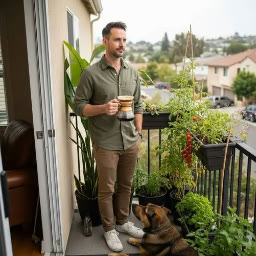



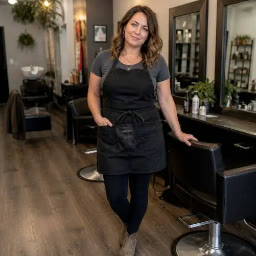

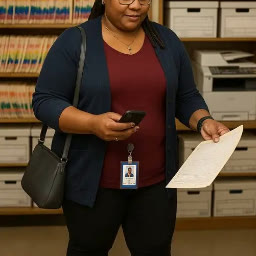
 Real answers from a trailer test
“Too flashy for me.” “Fun, fast-moving, and easy to get into.”
A sample of real answers to three questions, and the people who gave them.
Read the answers →
Real answers from a trailer test
“Too flashy for me.” “Fun, fast-moving, and easy to get into.”
A sample of real answers to three questions, and the people who gave them.
Read the answers →
How it works for filmmakers
Recruit the audience the film is for
Describe your viewer. We recruit the people who match from the population.
Watch it 10 seconds at a time
Engagement and eight emotions across the entire audience, with what viewers said at each moment.
Try the bold version
Screen the bold cut and the safe one on the same audience, and see which plays. Each screening is its own session, so they come to it fresh.
Check a second audience
Put the same cut in front of a second audience and see where the two split, on one timeline.
Every audience comes from the same population: about 340,000 synthetic Americans built from US Census and ACS microdata. Your footage is what the audience watches. It never trains a model. How TestScreen works · Validation
What you can test
- The rough cut
- The alternate ending
- The trailer cut
- The title
- The opening ten minutes
- The risky scene you want to keep
How TestScreen works, one question at a time
 0:52
What would you test if budget wasn't a barrier to screening every cut, from the trailer to the alternate ending?
0:52
What would you test if budget wasn't a barrier to screening every cut, from the trailer to the alternate ending?
 0:49
Can you test a new cut on the same audience you tested your last one on, without them remembering the first?
0:49
Can you test a new cut on the same audience you tested your last one on, without them remembering the first?
 0:44
If you upload an unreleased film to TestScreen, does your footage train an AI model?
0:44
If you upload an unreleased film to TestScreen, does your footage train an AI model?
Also coming: TestScreen for advertising and creators.