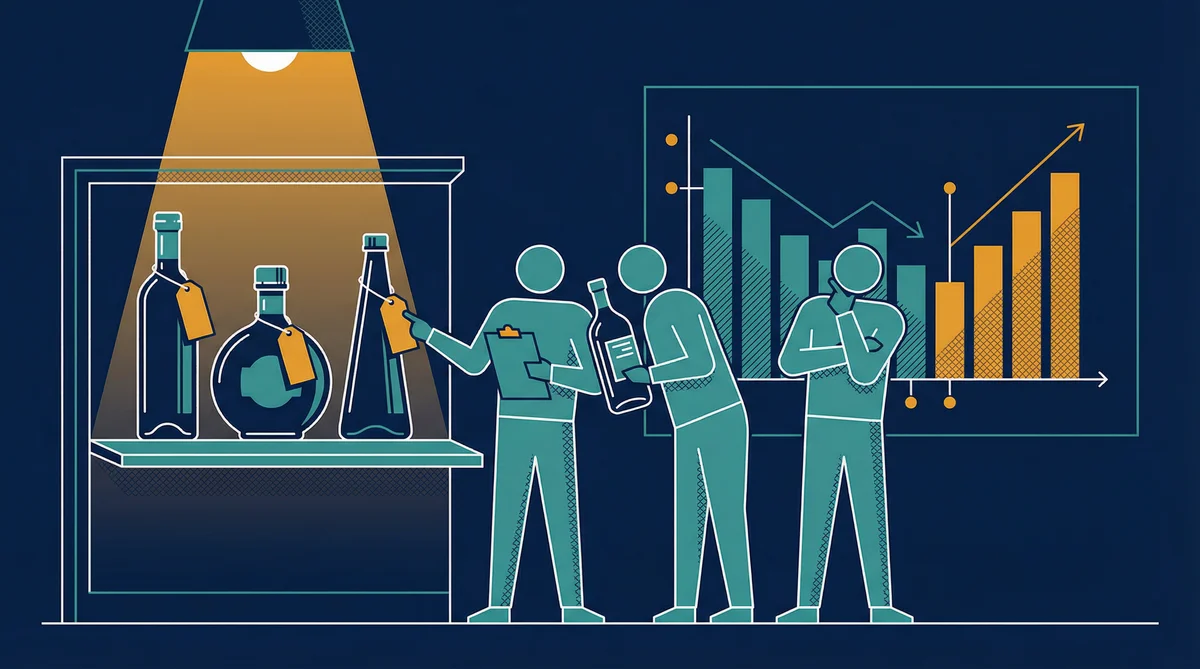
AI Research for Beverage Brands
In the spring of 2024, Coca-Cola launched Spiced, its first permanent new flavour in three years. The company had spent ...
Read ArticleTag: CPG Research
Consumer packaged goods is the category where market research is most needed and most often skipped. Launch decisions get made on the strength of a flavour profile and a co-packer relationship. Concept testing happens, when it happens, with a focus group of 12 people in Chicago. Pricing is set by reference to the nearest competitor. Then the product launches, and 60 percent of the time it fails within 18 months. The CPG launch failure rate is the most consistent number in the entire research literature, and it has not improved in 30 years.
The articles in this collection are about using synthetic research to fix the specific places where CPG research breaks down: launch validation before commitments to packaging and trade spend, beverage brand testing across multiple geographies and demographics, and the wider case for AI-powered diligence as a routine layer in the CPG product development cycle. The category is also a major target for FishDog's outbound work, so we have a particular interest in getting this right.
What you'll find
Validate a CPG concept before commitments at fish.dog
In the spring of 2024, Coca-Cola launched Spiced, its first permanent new flavour in three years. The company had spent ...
Read Article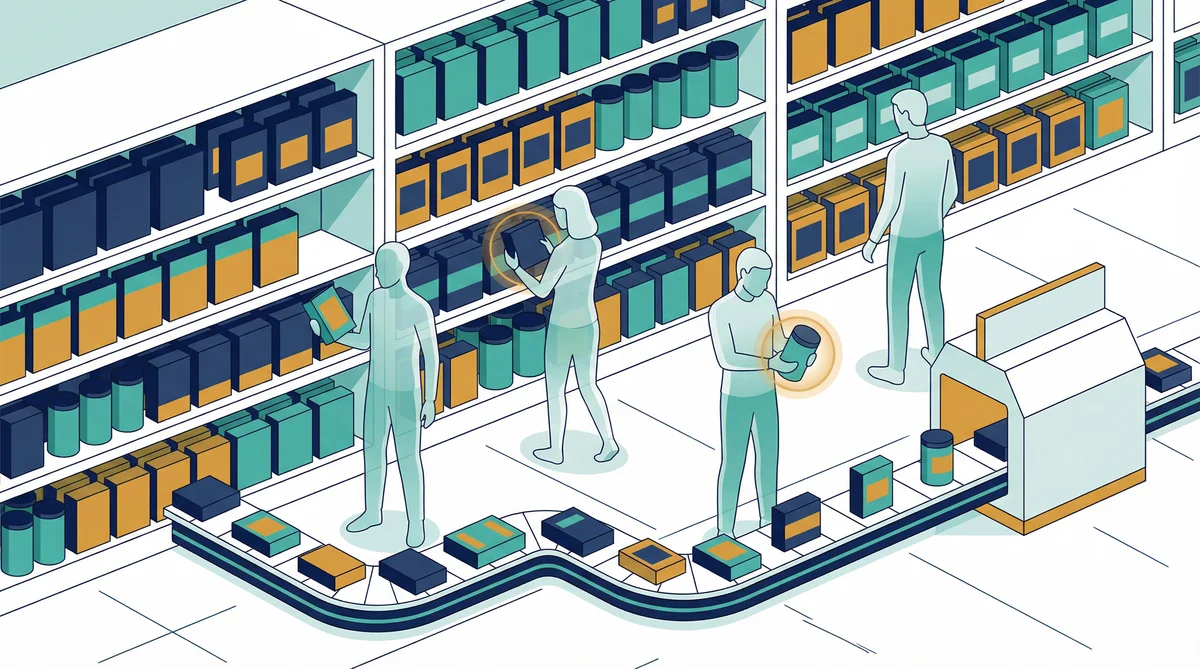
How synthetic consumer panels are replacing the slowest, most expensive habit in consumer goods...
Read Article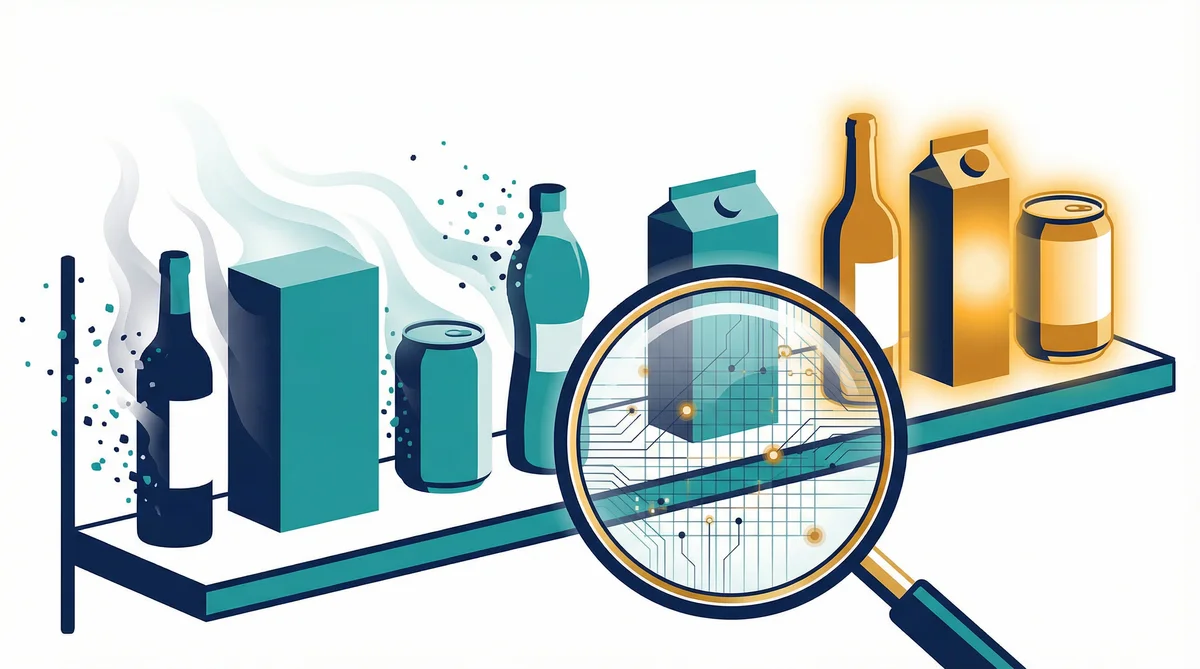
In 2022, Hershey's launched Reese's Plant-Based Peanut Butter Cups to considerable fanfare. The logic appeared watertigh...
Read ArticleCPG product development cycles favour fast iteration. A traditional concept test takes 6-8 weeks for a single concept against one segment. Synthetic research can test 10 concepts against 50 demographic permutations in two days. The compressed cycle time allows CPG brands to fail fast on weak concepts before committing trade spend, packaging investment, or retail listings.
The widely cited statistic is that 60-80% of new CPG launches fail within 18 months of shipping to retail. This number has been remarkably stable across decades and across categories. Most of these failures are caused by problems that pre-launch research would have caught: weak concept, wrong price, ambiguous positioning, missing claim. Synthetic research is particularly useful at catching these issues at low cost.
For most quantitative questions, yes — concept testing across many demographic permutations, pricing sensitivity, claim testing, packaging preference. For deep qualitative exploration of novel categories or genuinely surprising consumer behaviour, traditional focus groups still earn their place. The articles in this collection cover where each method is strongest.
Beverages (especially functional and alcoholic) and snacks are the most active early adopters in 2026, driven by short product life cycles and intense category competition. Personal care, plant-based foods, and pet food are growing categories. Slower-moving categories (laundry, household paper) tend to lag in adoption.