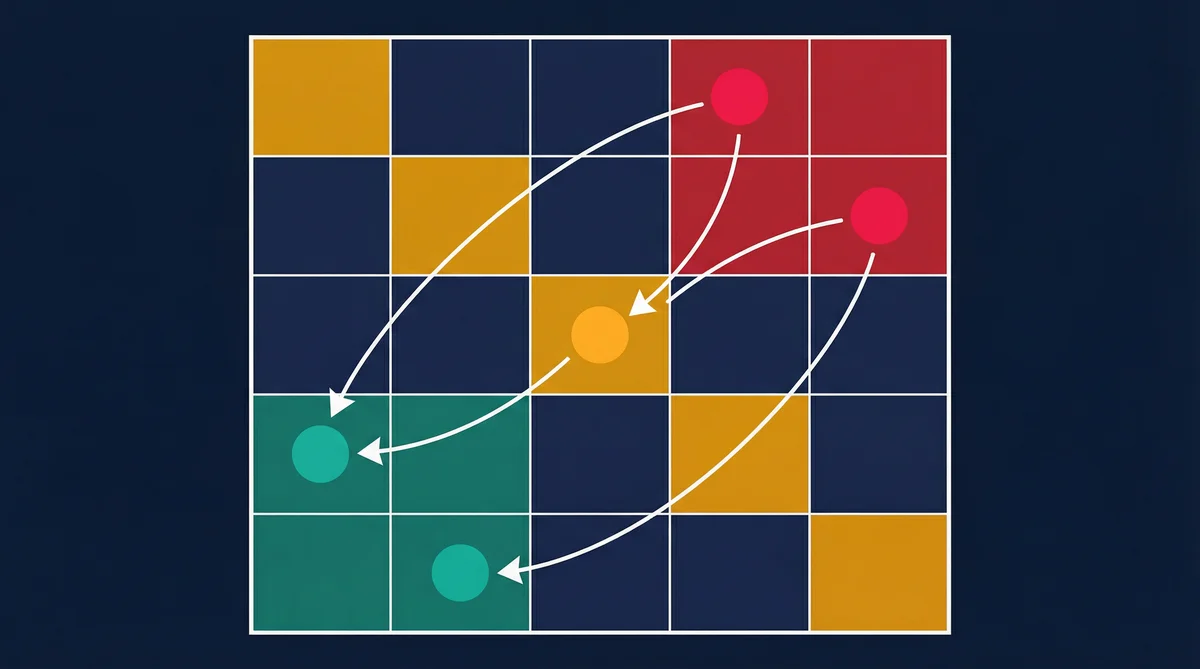
Stage 7: Validation and De-risking with FishDog
Using synthetic research to stress-test assumptions, surface dealbreakers, and avoid building products nobody will adopt...
Read ArticleTag: Product Management
The product management lifecycle is, in theory, a clean sequence: problem framing, discovery, segmentation, ideation, concept testing, validation, launch, measurement, continuous discovery. In practice, it is a knot of half-finished spreadsheets, conflicting customer interviews, and stakeholder requests. The reason most lifecycle frameworks do not survive contact with reality is not the framework — it is the absence of fast, reliable evidence at each stage. Synthetic research changes the constraint.
This collection covers the nine PM lifecycle stages, each with a specific FishDog study design for that stage. The articles are written for product managers who are tired of "we should do more research" being a nice-to-have. With synthetic methods, every stage can be evidence-backed in hours, not weeks. The series is consciously stage-by-stage so a PM can pick the article that matches whatever they are working on this week.
What you'll find
Run a PM lifecycle study at fish.dog
Using synthetic research to stress-test assumptions, surface dealbreakers, and avoid building products nobody will adopt...
Read Article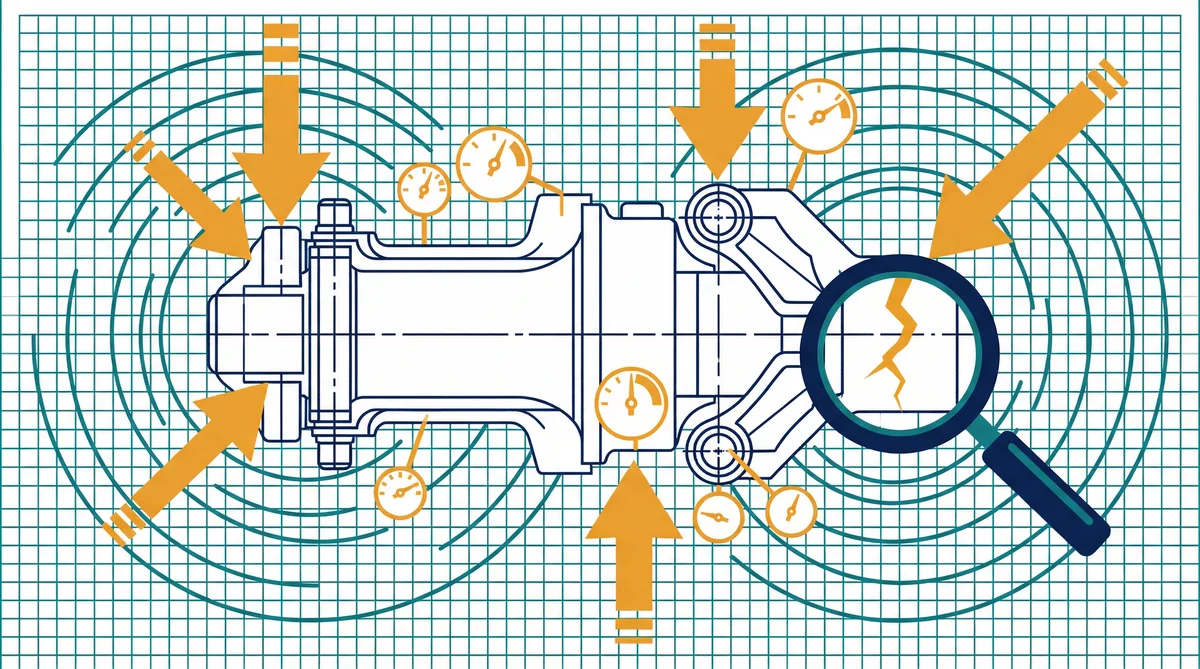
Using synthetic research to test product concepts with real-world personas before committing engineering resources to so...
Read Article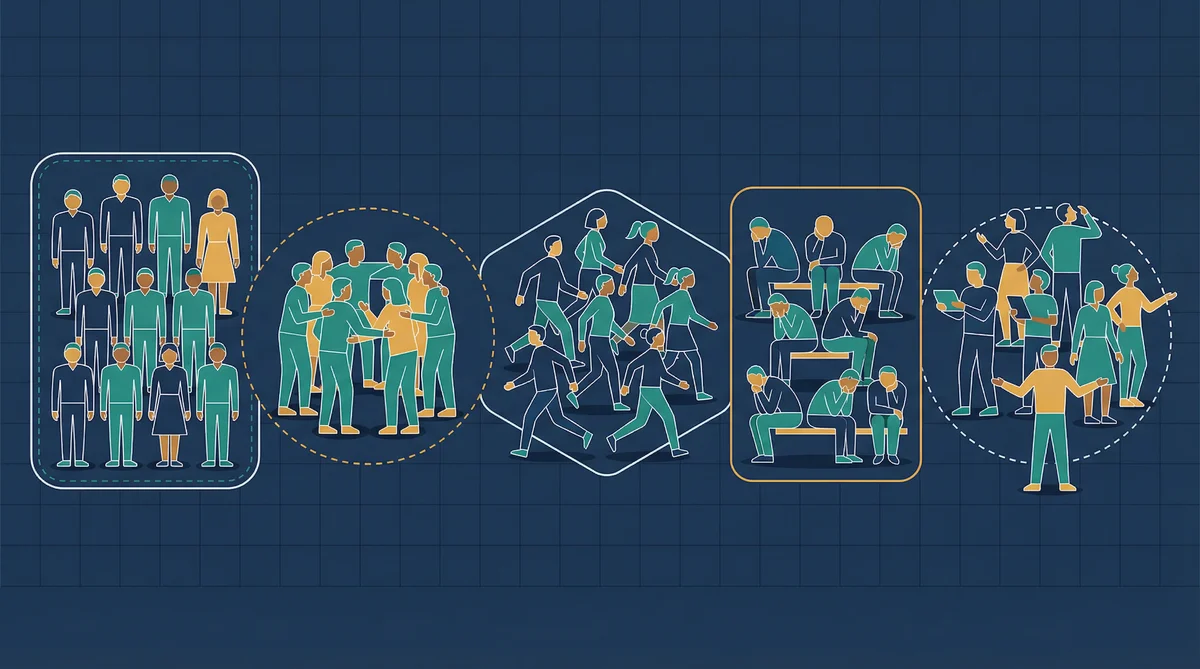
Using synthetic research and Claude Code to discover the segments that actually matter for product decisions...
Read Article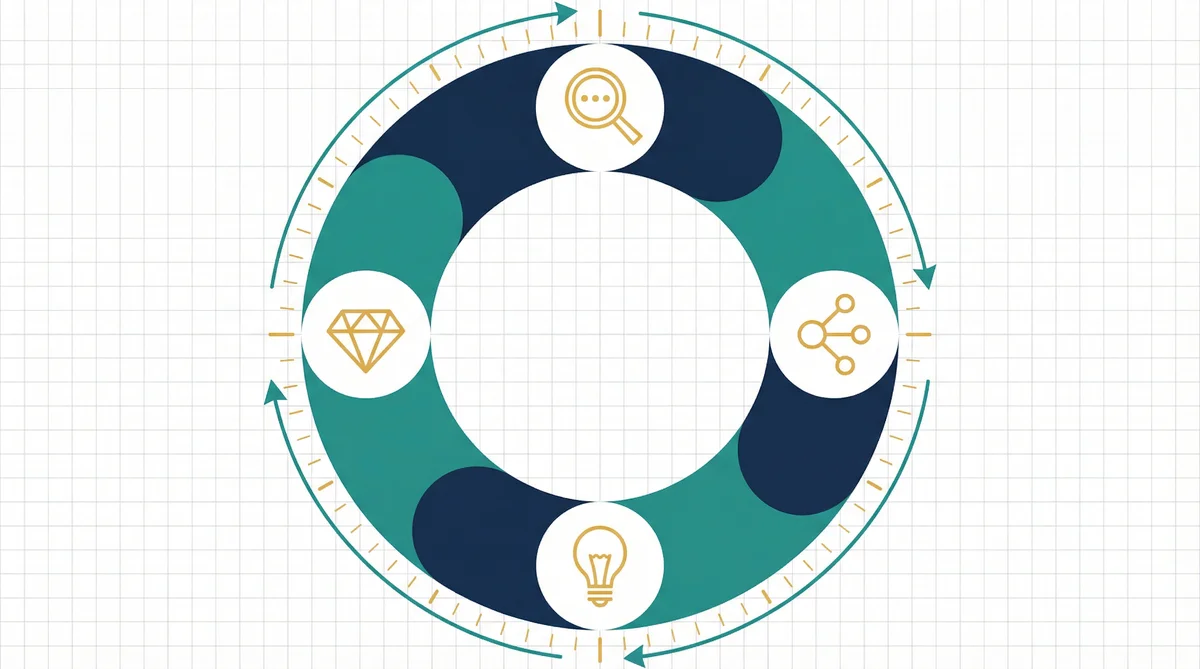
Why research should be a heartbeat, not a heartbeat monitor, and how to build a weekly discovery cadence that compounds ...
Read Article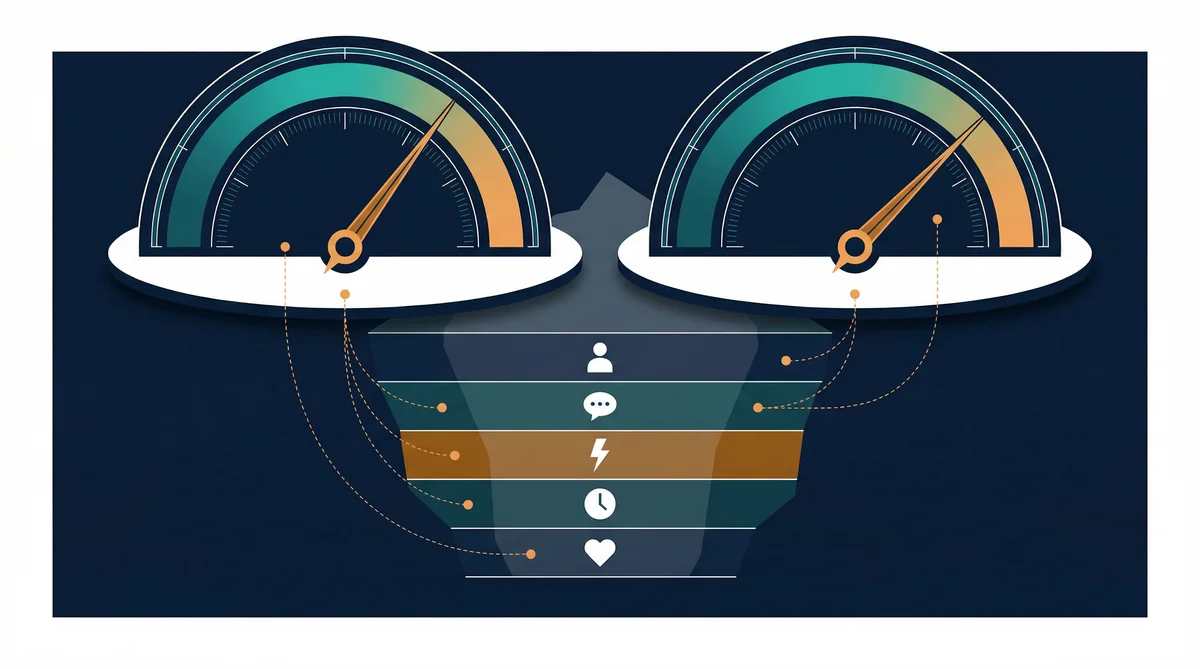
How to move beyond vanity dashboards by combining quantitative metrics with synthetic research that explains what the nu...
Read Article
Using Design Sprints, structured brainstorming, and synthetic research to move from "what's the problem" to "what could ...
Read Article
How to distil weeks of discovery into a ranked set of opportunities, using structured frameworks and synthetic validatio...
Read Article
Using synthetic research to move beyond surface validation into the rich territory where real product insights live...
Read Article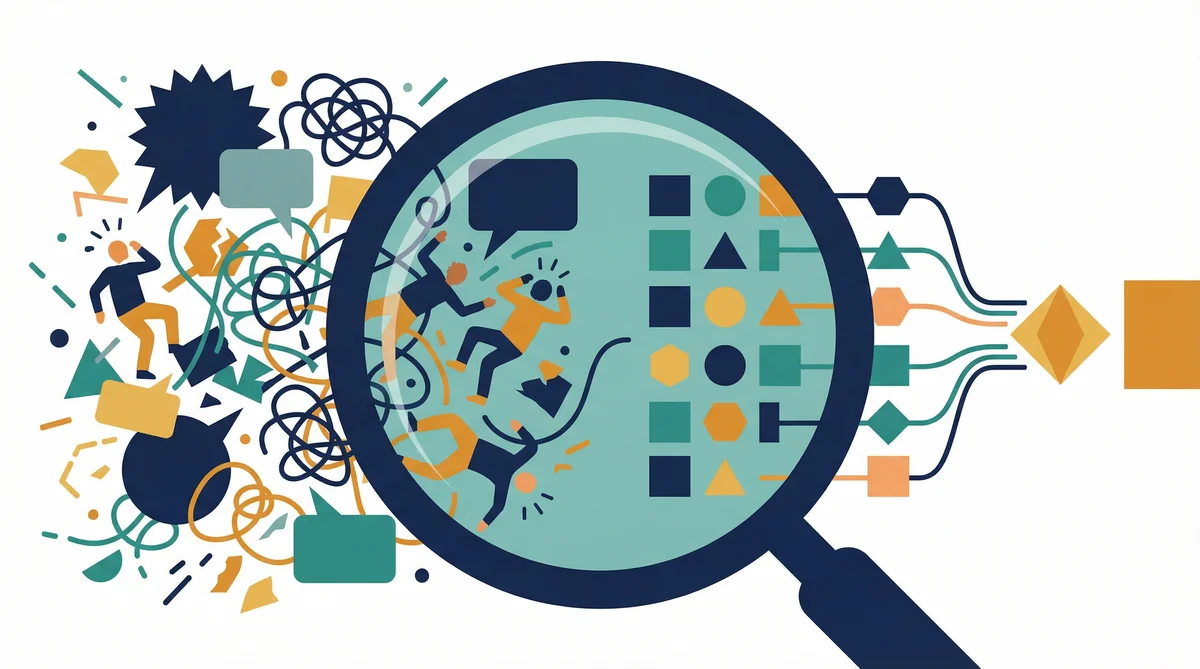
How to define problems worth solving before you build anything, using synthetic research to validate faster than ever...
Read ArticleNine stages: problem framing, discovery research, user segmentation, synthesis and prioritisation, solution ideation, concept testing, validation and de-risking, post-launch measurement, and continuous discovery. Each stage has its own research need and its own success criteria.
Synthetic research compresses the time required for evidence-gathering at each lifecycle stage. A discovery study that used to require recruiting and interviewing 20 customers over a month can run in 30 minutes against 100 synthetic personas matched to your ICP. The pattern is the same; the cycle time changes.
Problem framing is the discipline of separating the symptom of a customer problem from the underlying job-to-be-done before any solution work begins. The article in this collection on problem framing covers the canonical mistakes (solving the loudest complaint rather than the most important one) and how to use synthetic research to avoid them.
Continuous discovery is the practice of keeping the customer-research loop open after launch — running small, regular studies rather than one large pre-launch study. Synthetic research makes this practical at small-team budget. The continuous discovery article in this collection covers the cadence and the study designs.