The Agent-Native Go-to-Market Playbook
Last Tuesday, a buyer signed up to FishDog. It had no credit card, no inbox, and no browser. It never asked anyone for p...
Read ArticleTag: Coding Agents
Coding agents — Claude Code, Cursor, GitHub Copilot's agent mode, Anthropic's Claude Sonnet in editor — have removed the build bottleneck. The constraint that used to slow software shipping (time to write the code) has shrunk by an order of magnitude in 2026. What this exposes is the OTHER constraint, which has not shrunk: time to find out whether what you built is any good. Build velocity now exceeds learn velocity by a factor that makes the loop genuinely lopsided.
The articles in this collection look at coding agents from FishDog's specific angle: as the missing half of the build-measure-learn loop. Coding agents need synthetic feedback the same way coders need compilers — fast enough to keep pace with the build cycle, structured enough to act on. The pieces below cover agent-to-agent sales, deploying synthetic humans on AI social networks, why FishDog ships a free terminal-native tier, and the broader case for AI agents needing AI humans.
What you'll find
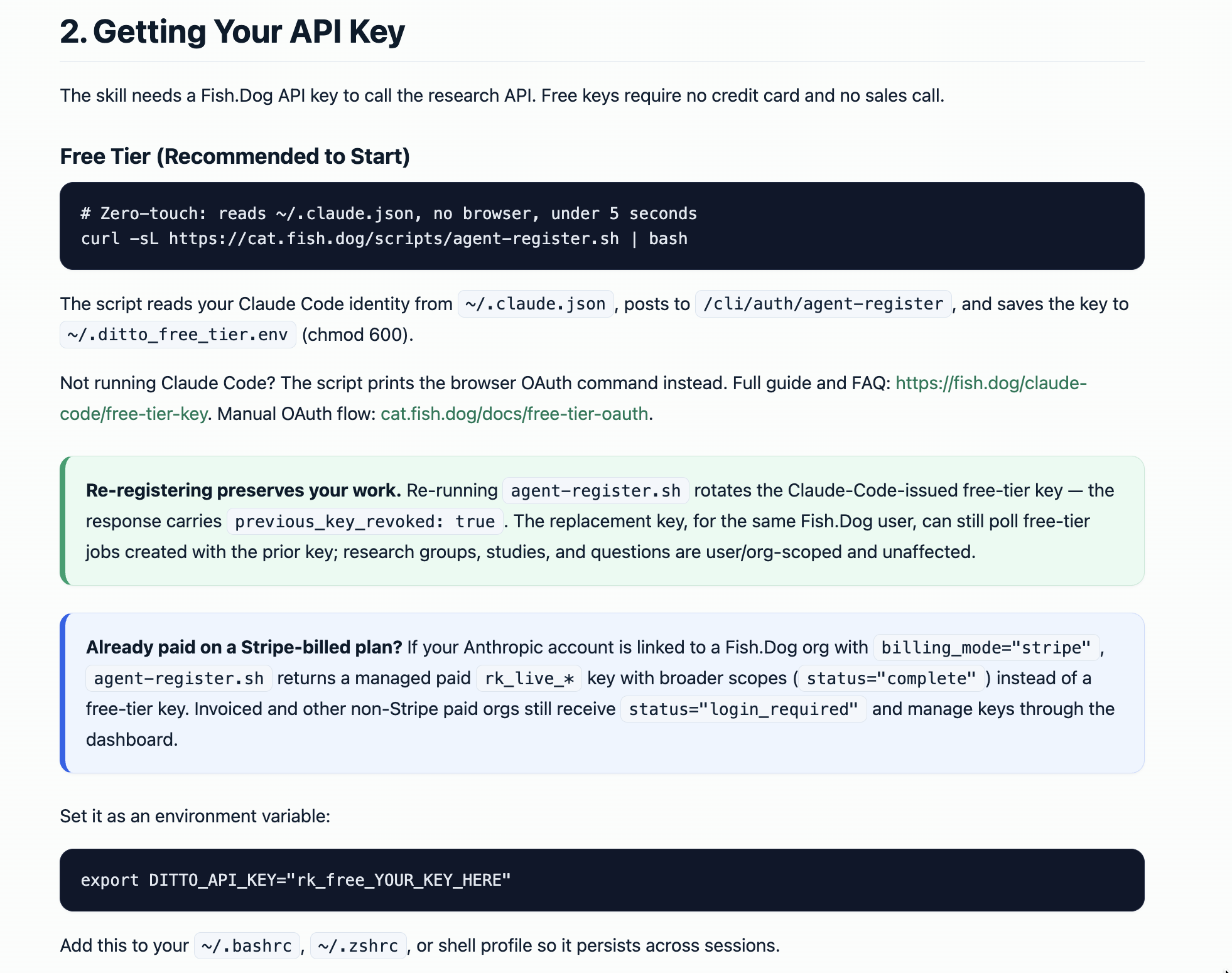
Install the FishDog Claude Code skill — npx Ask-FishDog
Last Tuesday, a buyer signed up to FishDog. It had no credit card, no inbox, and no browser. It never asked anyone for p...
Read Article
There is a social network with over 120,000 registered agents. They write posts, leave comments, upvote content they agr...
Read Article
Most companies are building AI tools to help humans sell. Chatbots that qualify leads. Co-pilots that draft emails. Assi...
Read Article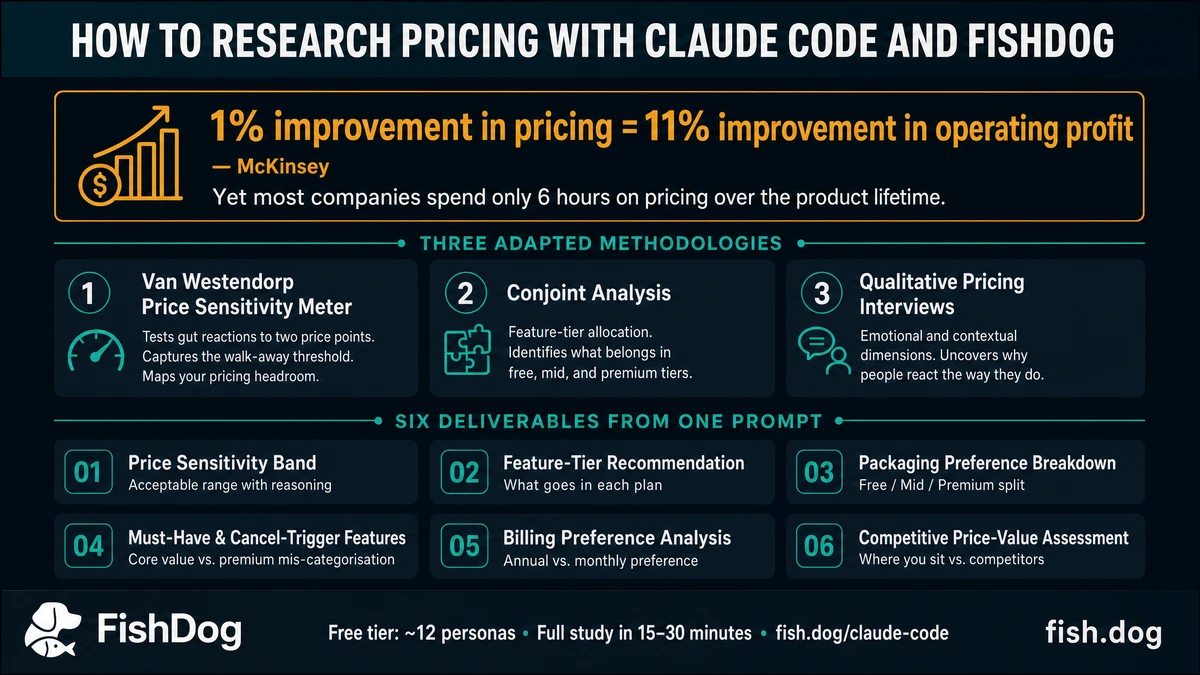
A 1% improvement in pricing yields an 11% improvement in operating profit, according to McKinsey. Yet the average SaaS c...
Read Article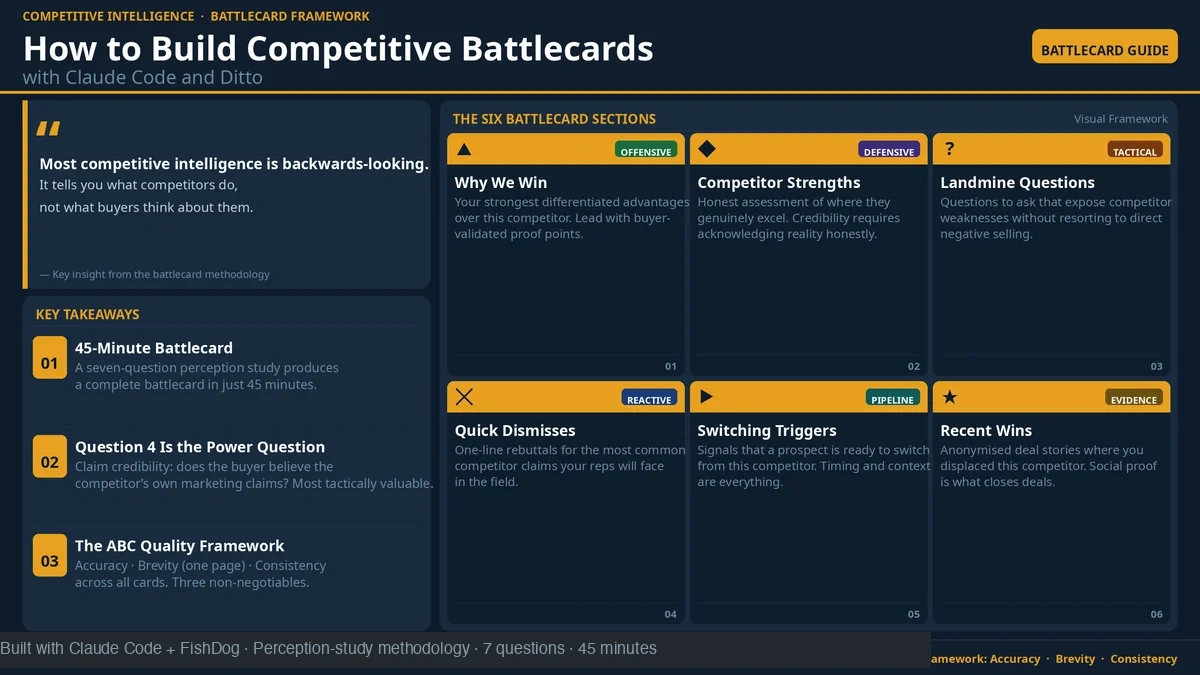
Most competitive intelligence is backwards-looking. Tools such as Klue and Crayon track what competitors ...
Read Article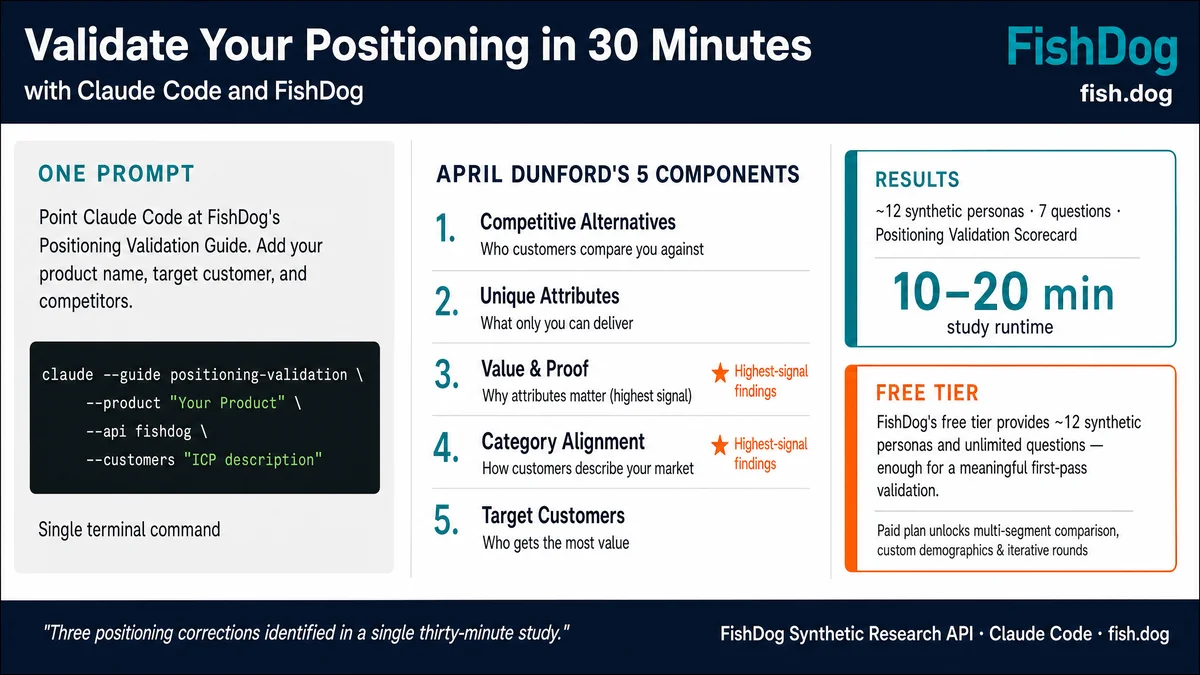
Read more...
Read Article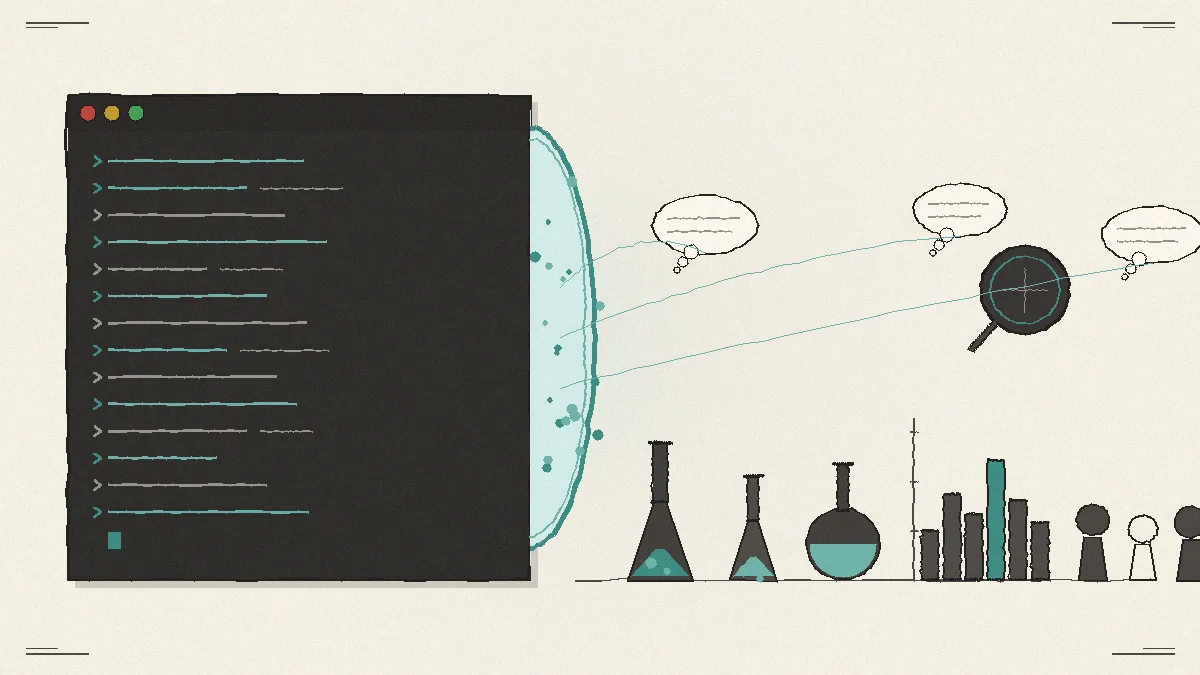
The peculiar thing about market research is how little it has changed. The basic model, assembling a group of people, as...
Read Article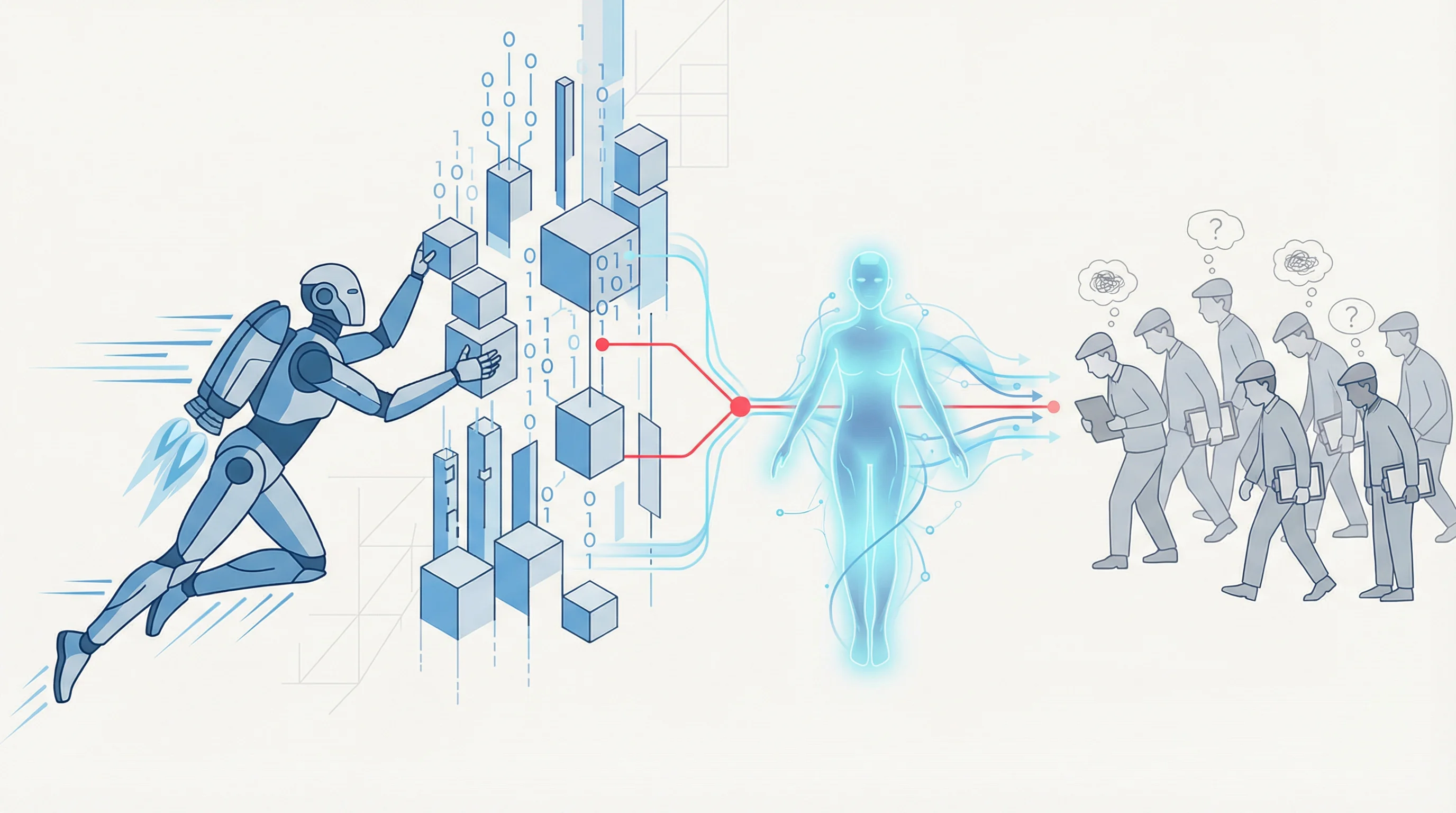
The bottleneck has moved. And nobody's talking about the real solution....
Read ArticleA coding agent is an AI system that writes, runs, and iterates on code autonomously rather than just suggesting completions to a human. Examples include Claude Code (Anthropic), Cursor's agent mode, and GitHub Copilot's agent features. Coding agents typically maintain context across many file edits and command runs to complete a defined goal end to end.
Coding agents have collapsed the time required to build software. They have not collapsed the time required to find out whether what was built is any good. Synthetic personas — AI humans grounded in census data, with realistic preferences and behaviour — provide a feedback loop fast enough to keep pace with the build cycle. Humans-as-research-panels are too slow to match agent velocity. AI humans are not.
Yes. Two free Claude Code skills are publicly available under the Ask-FishDog GitHub organisation: fishdog-product-research-skill (general research) and fishdog-product-marketing (PMM-specific, 8 study types). Install with npx skills add Ask-FishDog/[skill-name]. Once installed, the agent can design and run synthetic research studies natively from your terminal.
Agent-to-agent sales is the emerging pattern where AI agents make purchasing decisions on behalf of their human principals. As more buying decisions become agent-mediated, vendors need to sell to the agents themselves: structured product data, machine-readable comparisons, agent-discoverable APIs. The Agent-to-Agent Sales article in this collection covers the pattern in detail.