
How to Build a PMM Operating System with Claude Code
What if every piece of product marketing research your team needs could be triggered by a single command?...
Read ArticleTag: Product Marketing
Product marketing sits at an awkward intersection: it owns positioning, messaging, pricing research, competitive intelligence, customer segmentation, sales enablement, and launch — but rarely owns the headcount budget to do all of these things to a high standard. The result, in most companies, is a product marketing team forever short of evidence: too many opinions, not enough data, not enough hours in the week. This page is for the PMM teams trying to fix that.
FishDog's product marketing series covers the workflows a PMM team actually runs: how to validate positioning before a launch, how to test messaging across segments, how to research pricing, how to build competitive battlecards from primary evidence rather than vendor decks, how to do win/loss analysis at scale, and how to assemble a PMM operating system. The aim is to make the work fast enough that one PMM can do what used to require an agency engagement, with better evidence at the end.
What you'll find
Try a PMM workflow on your product at fish.dog
What if every piece of product marketing research your team needs could be triggered by a single command?...
Read Article
This article is the one we would rather not write. But any tool that claims to have no limitations is not being honest, ...
Read Article
Political polling has operated on essentially the same model since George Gallup correctly predicted FDR's 1936 landslid...
Read Article
Venture capital firms spend millions on due diligence processes that are, structurally, designed to confirm whatever the...
Read Article
Most analyst briefings fail before the analyst even speaks. The problem is not the presentation. It is not the product. ...
Read Article
The most effective customer evidence does not come from asking customers to say nice things about you. It comes from res...
Read Article
What works in New York does not necessarily work in Munich. But how do you find out before spending six figures on local...
Read Article
Brand tracking has existed since the 1960s, when Procter & Gamble first began measuring unaided brand recall across its ...
Read Article
Seventy-two per cent of product features ship without any form of customer validation. The number comes from Pendo's 202...
Read Article
By Phillip Gales...
Read Article
Most win/loss analysis is conducted after the fact, with all the clarity and objectivity of an inquest conducted by the ...
Read Article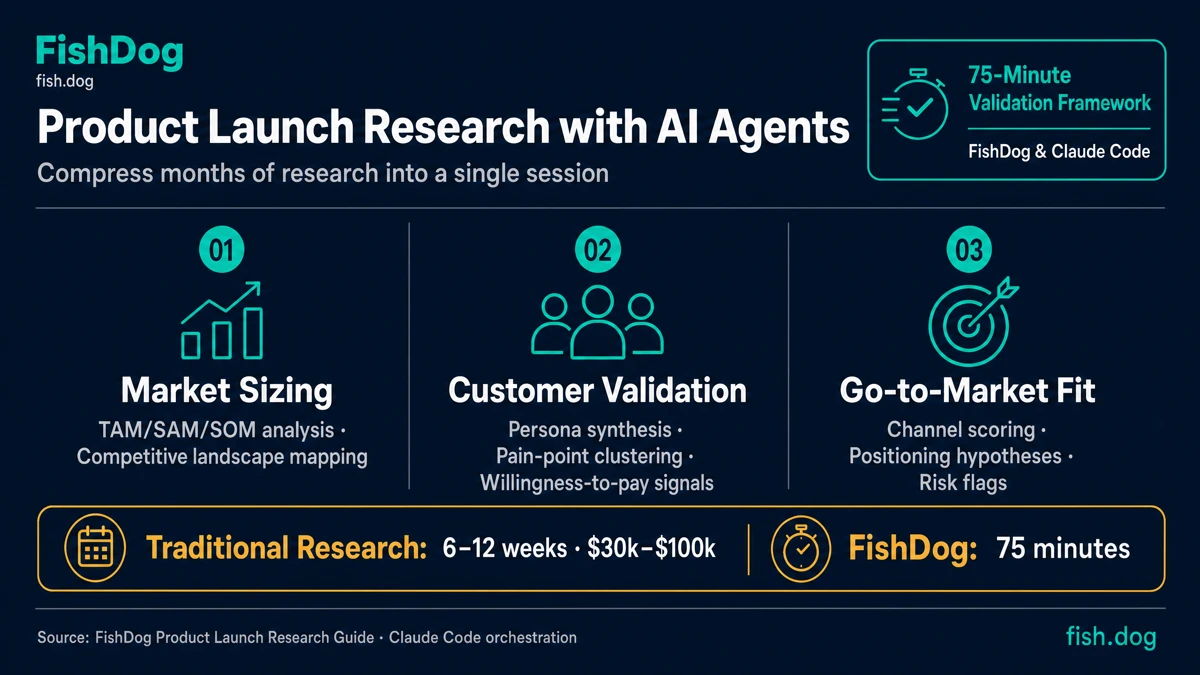
Clayton Christensen's often-cited statistic is that 95% of new products fail. The precise number is debatable. Some rese...
Read Article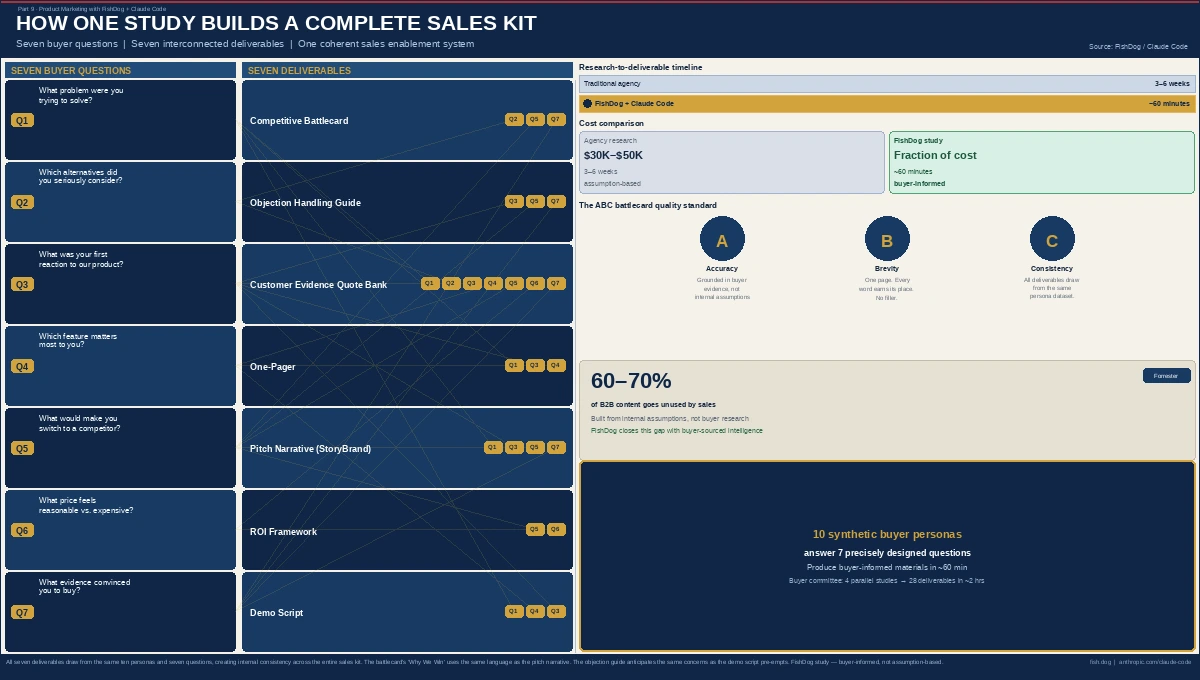
The average sales representative spends sixty-five percent of their time on non-selling activities, according to ...
Read Article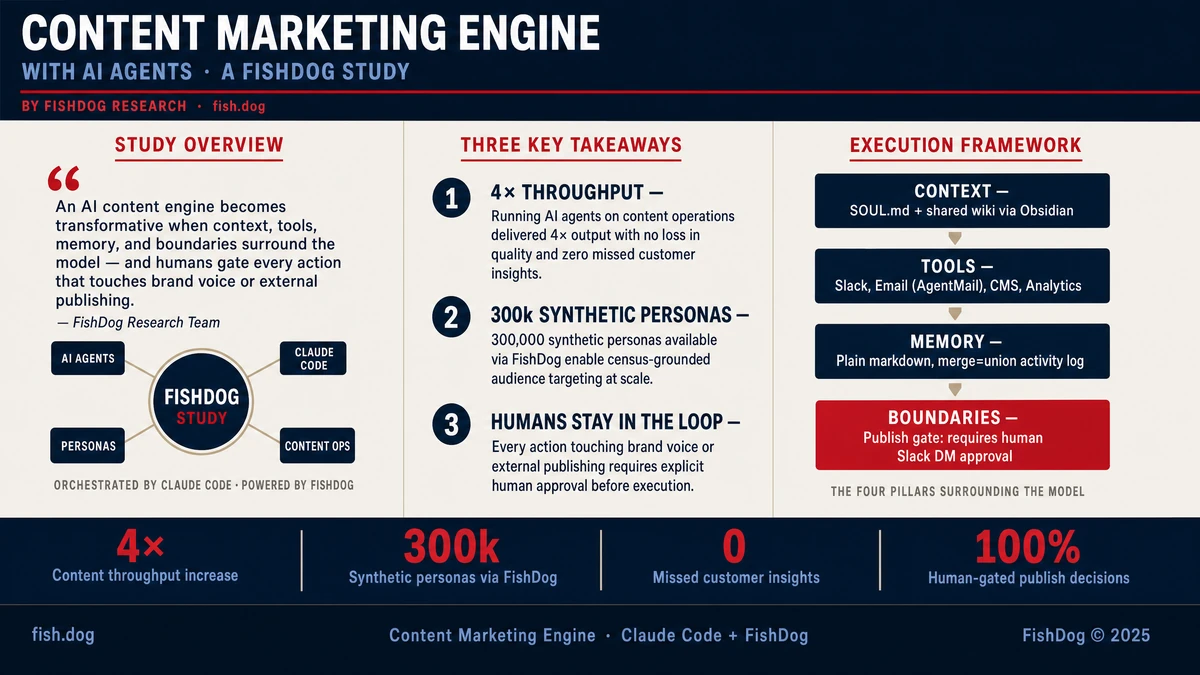
Most content marketing is derivative. The same opinions repackaged in slightly different language, the same thought lead...
Read Article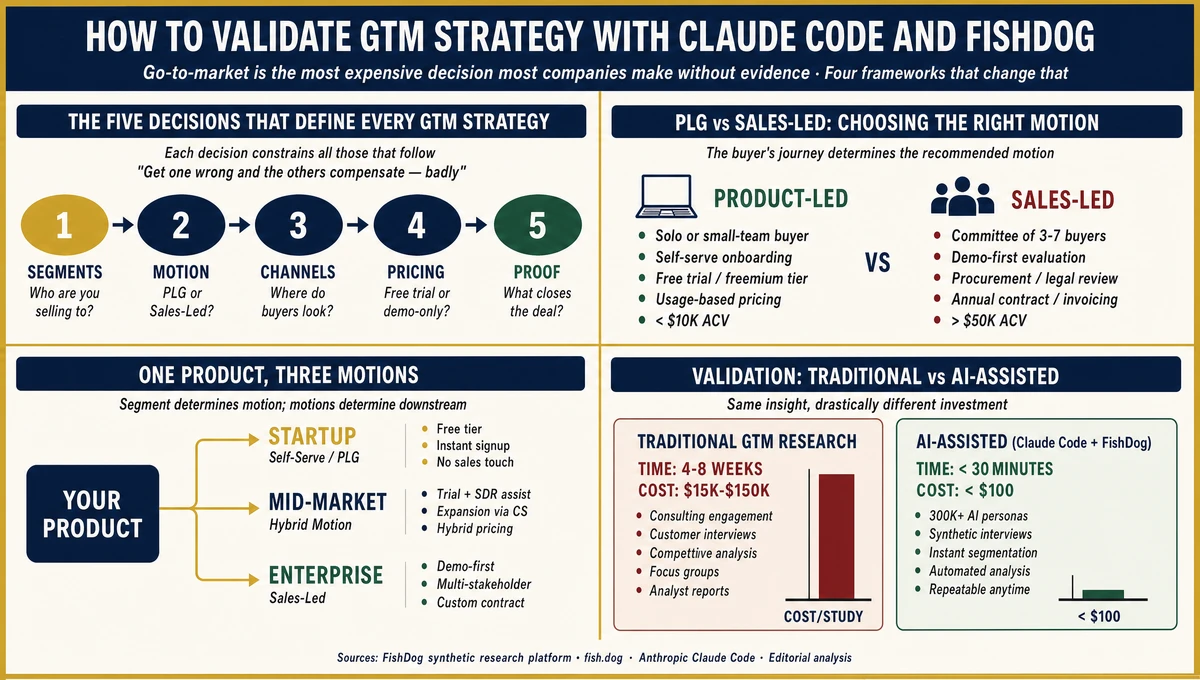
Go-to-market strategy is, by a comfortable margin, the most expensive decision most companies make without evidence. A w...
Read Article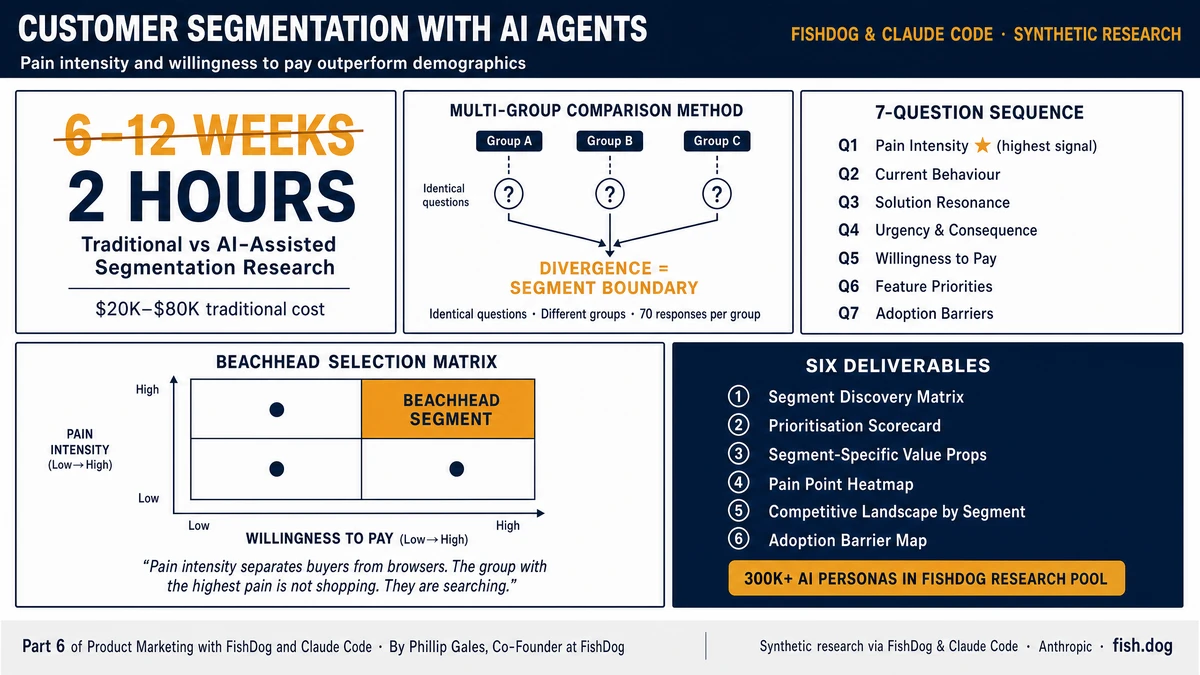
Most segmentation is fiction. Companies divide their market by demographics, age, geography, company size, job title, an...
Read Article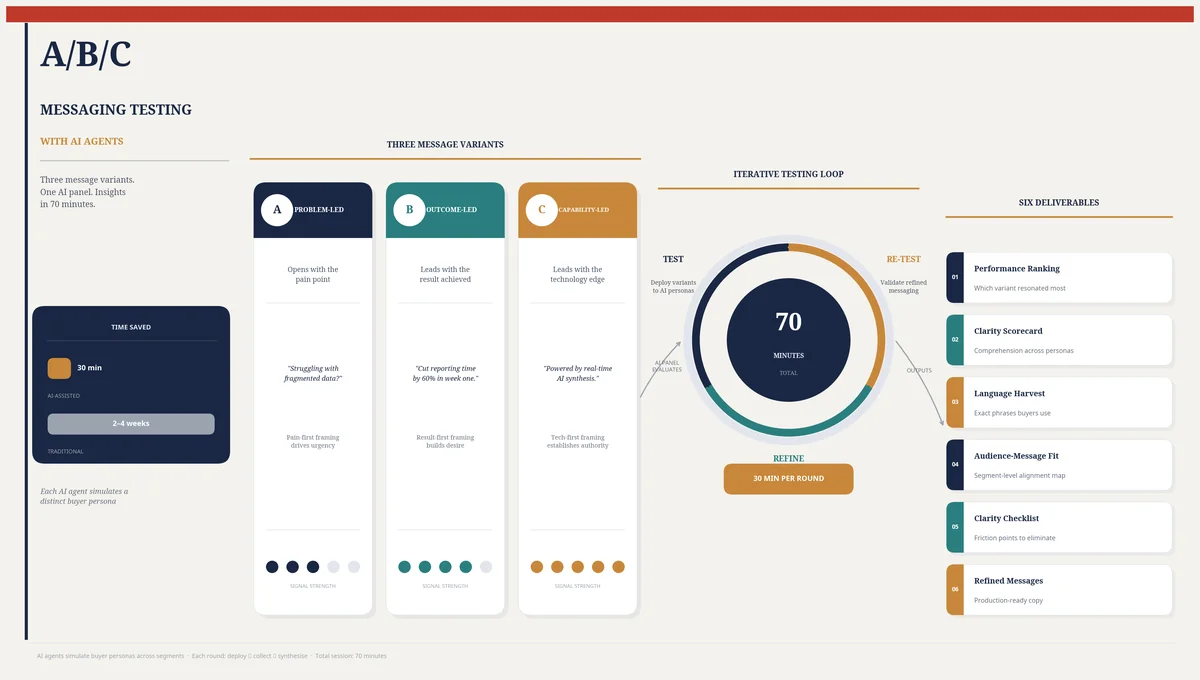
Here is a fact that should unsettle every product marketer who has ever spent a quarter refining a positioning document:...
Read Article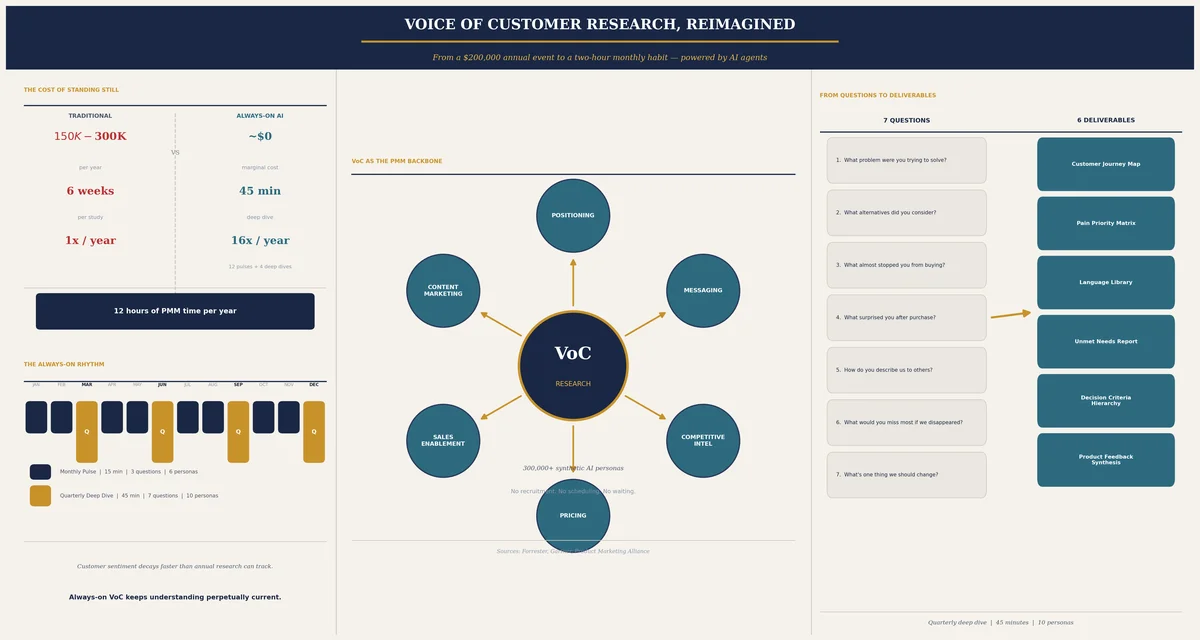
Here is a number that should give every product marketer pause: the average comprehensive Voice of Customer programme co...
Read Article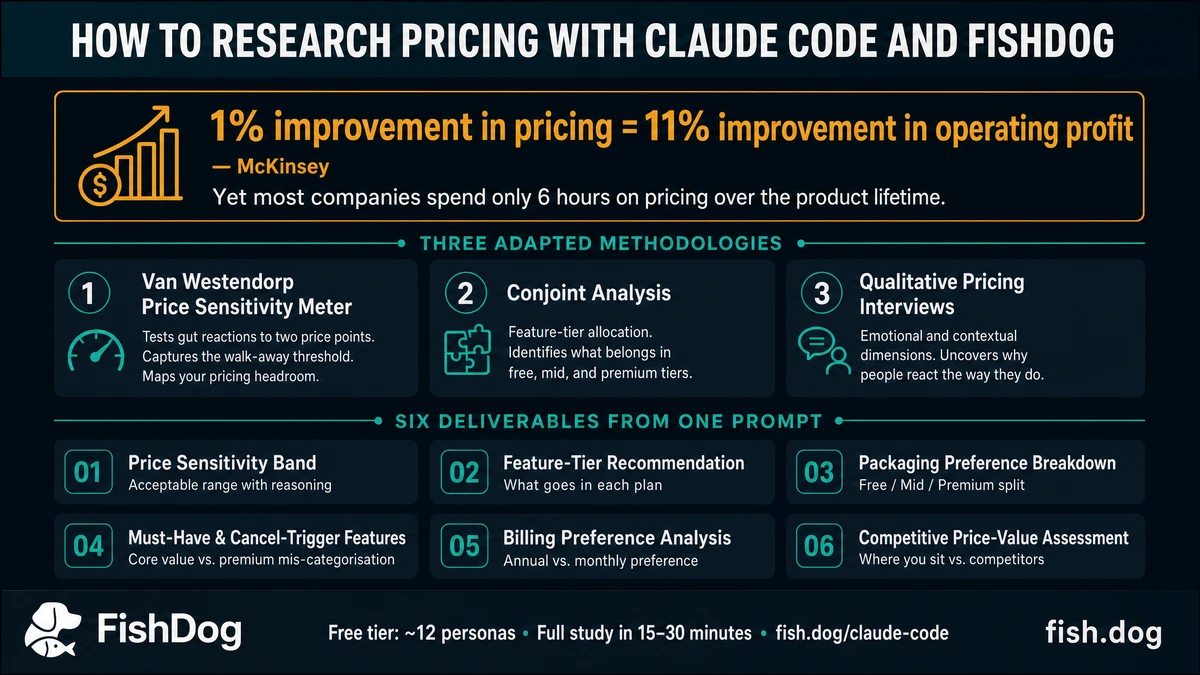
A 1% improvement in pricing yields an 11% improvement in operating profit, according to McKinsey. Yet the average SaaS c...
Read Article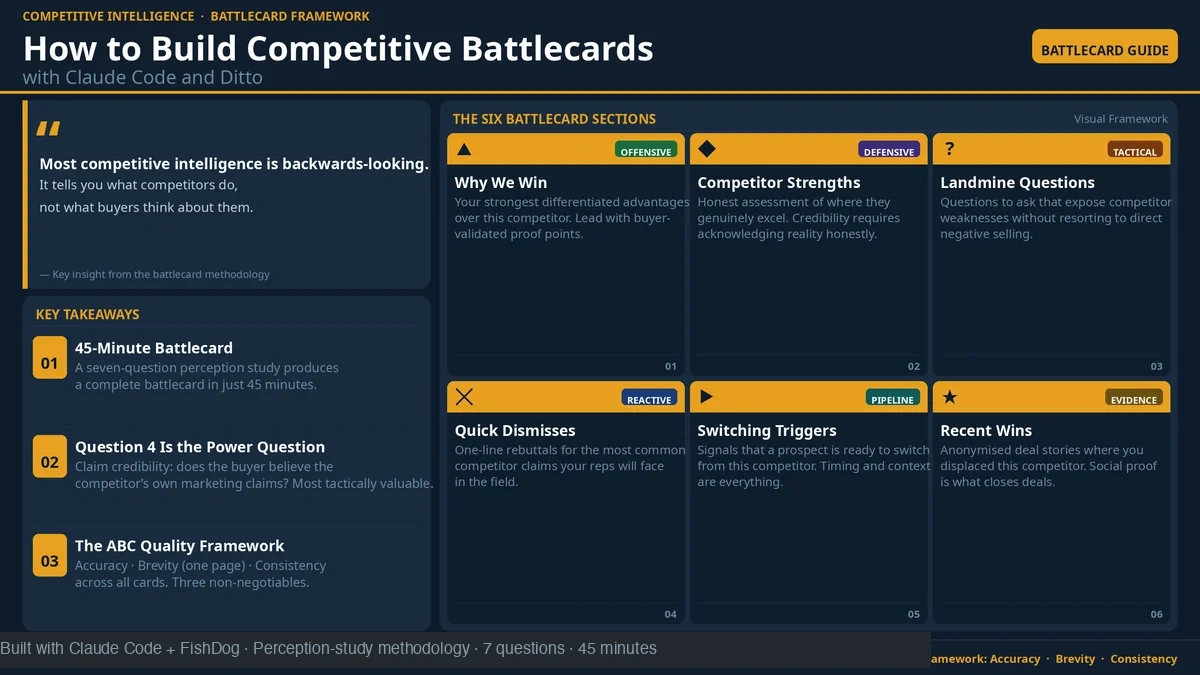
Most competitive intelligence is backwards-looking. Tools such as Klue and Crayon track what competitors ...
Read Article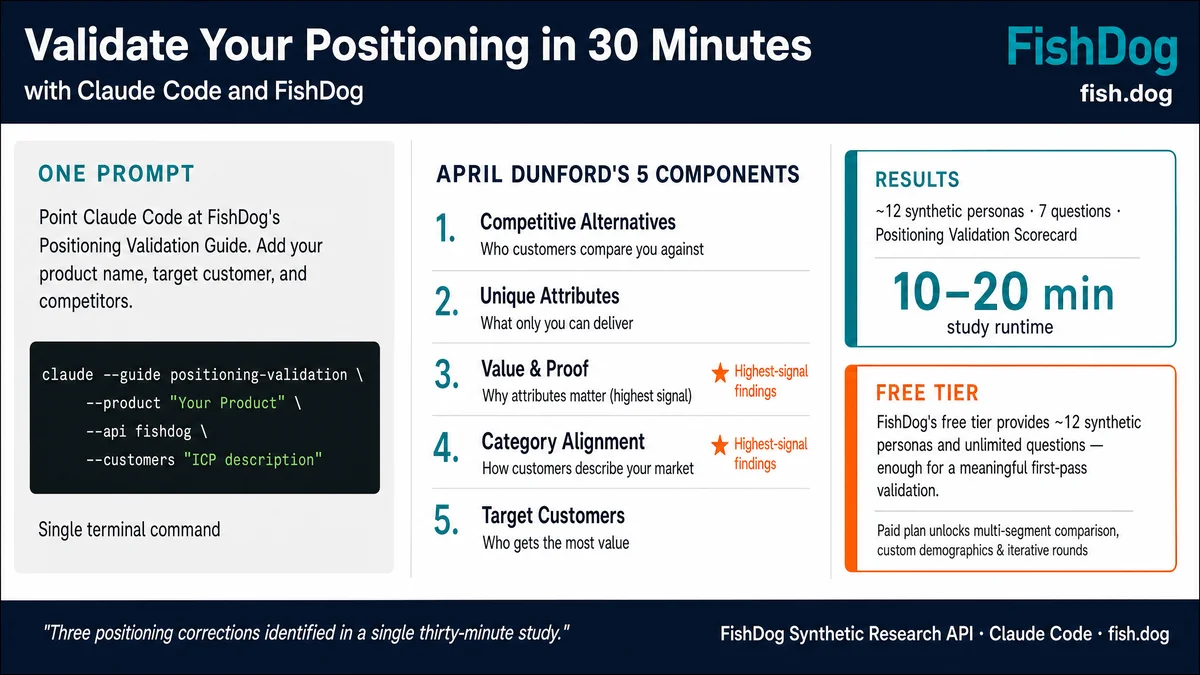
Read more...
Read Article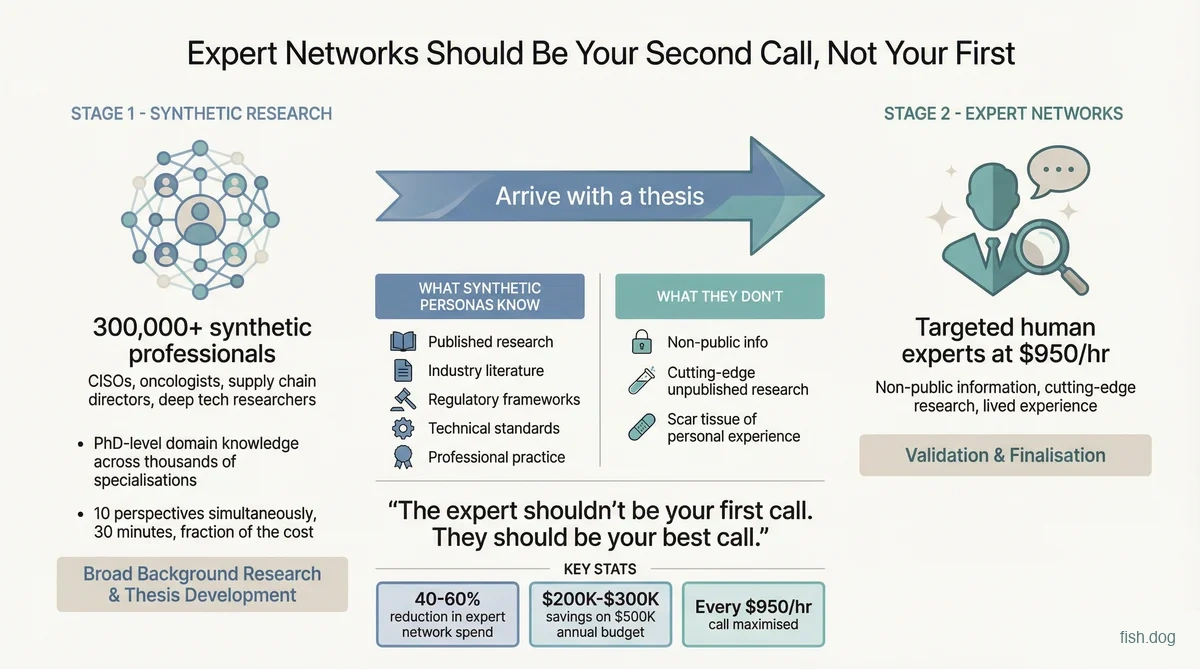
Expert networks are brilliant. ...
Read Article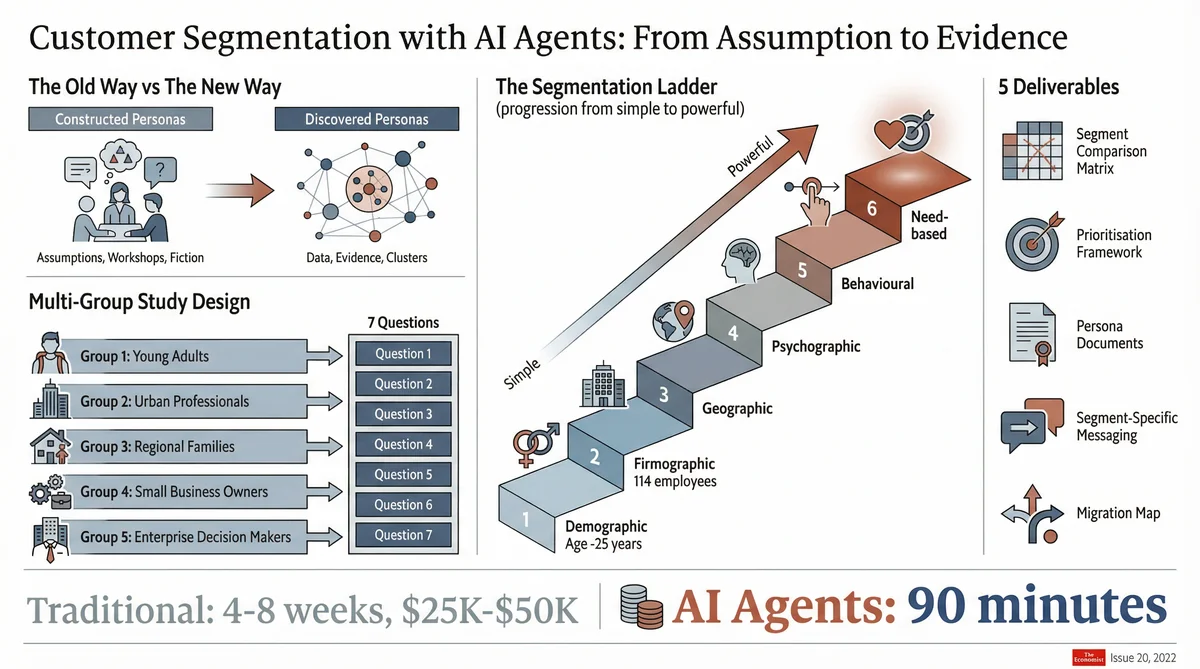
Most buyer personas are fiction. Well-intentioned fiction, granted, with plausible job titles and stock photography and ...
Read Article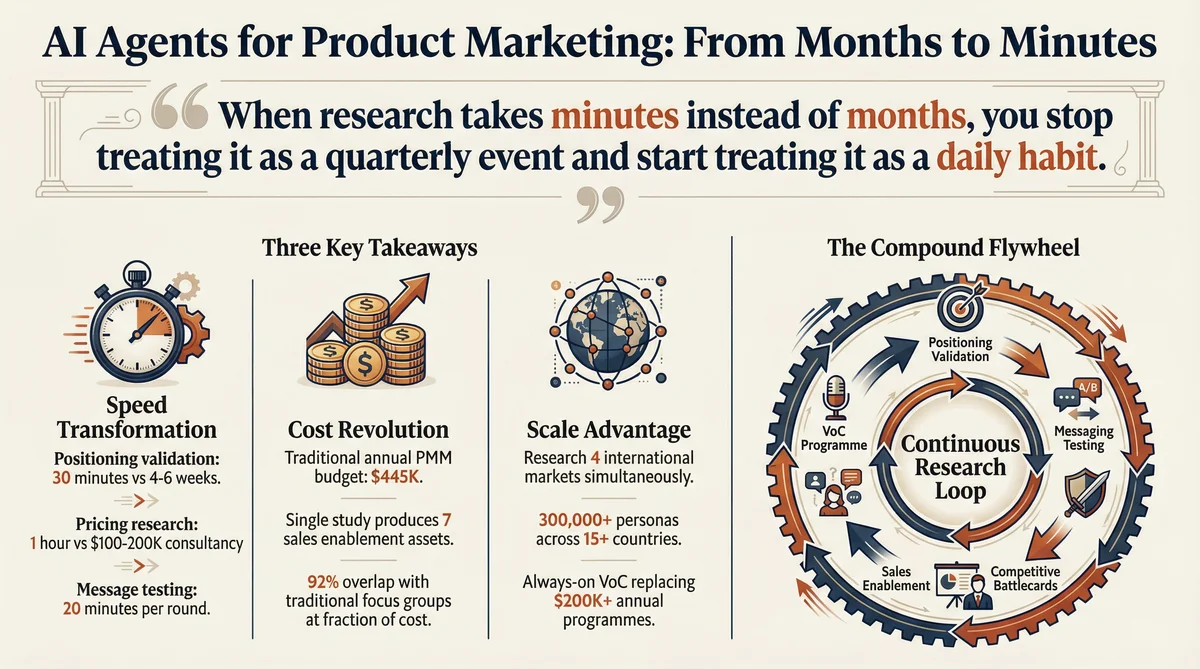
What if I told you that most product marketing research takes longer to ...
Read Article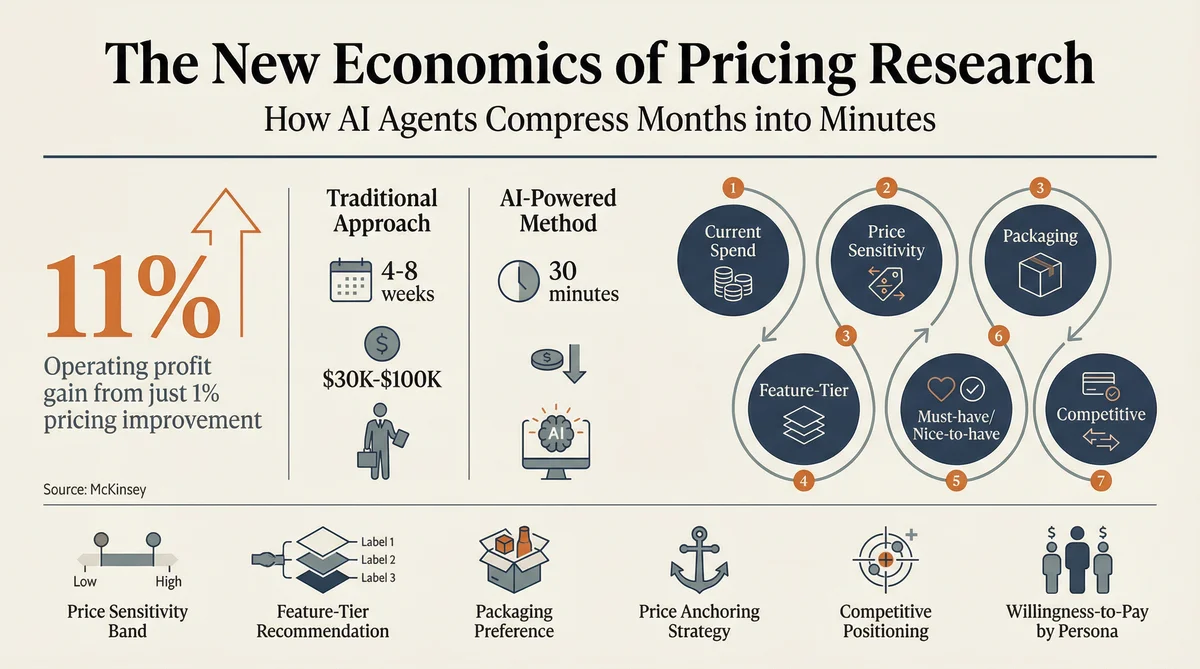
A one percent improvement in pricing yields, on average, an eleven percent improvement in operating profit. That figure ...
Read Article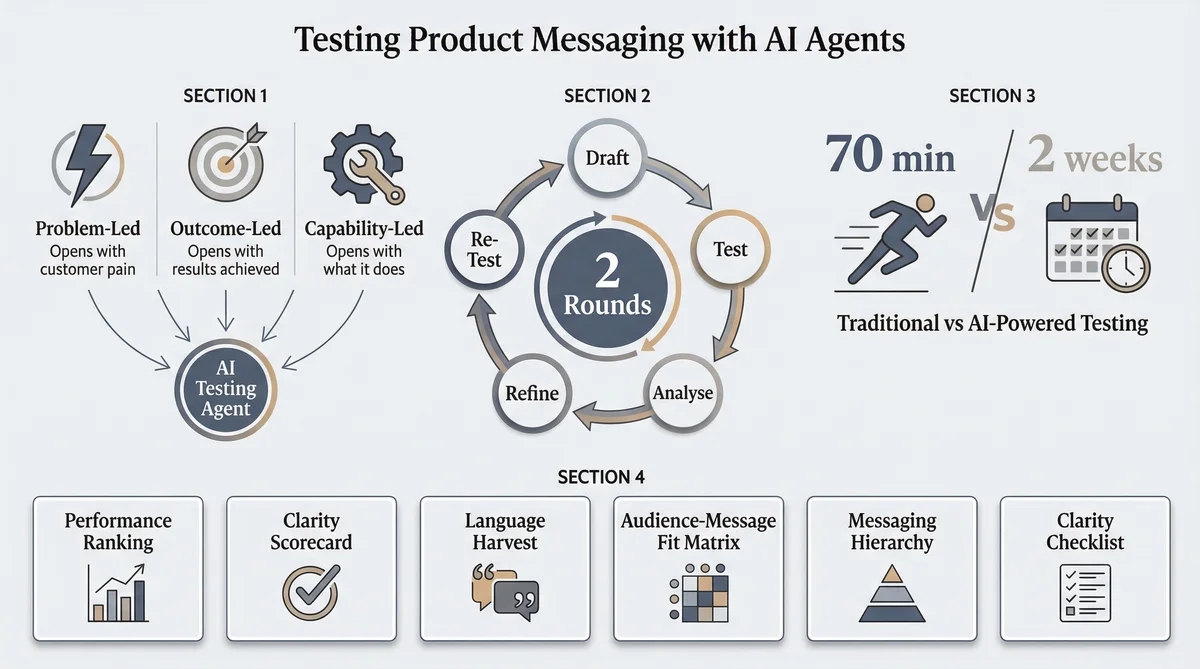
Positioning is private. Messaging is public. That distinction, simple as it sounds, is where a remarkable number of prod...
Read Article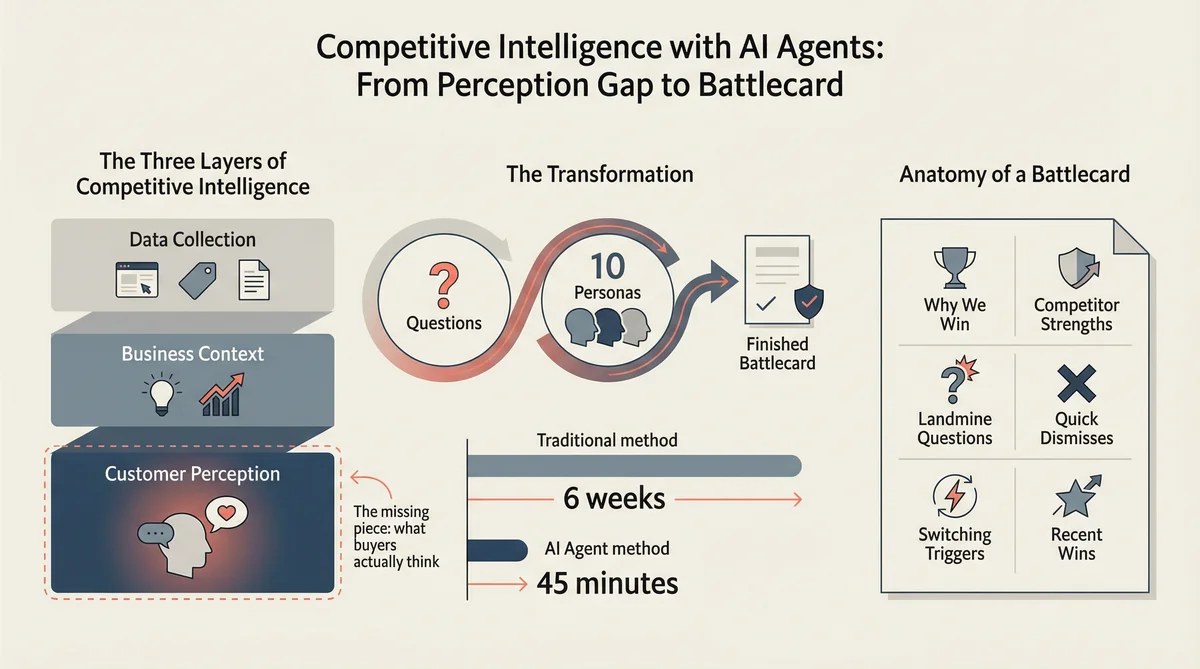
Sixty-eight percent of sales opportunities are competitive. That statistic, from ...
Read Article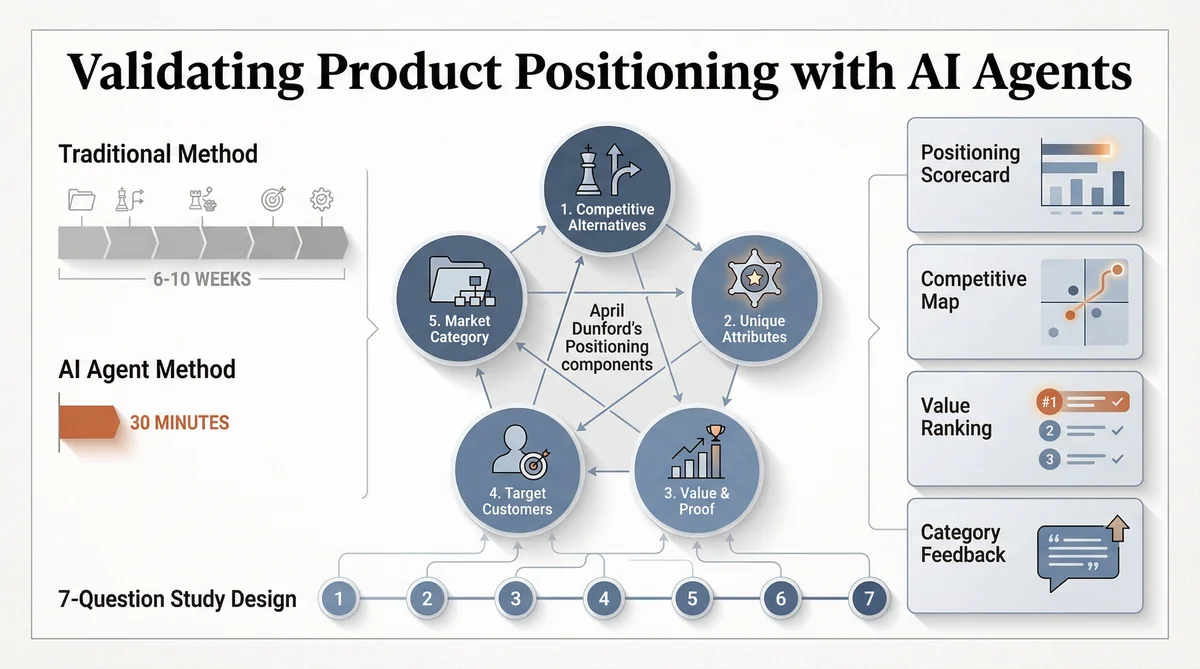
Every product marketer knows the feeling. You have spent three weeks crafting a positioning statement. It is sharp, diff...
Read Article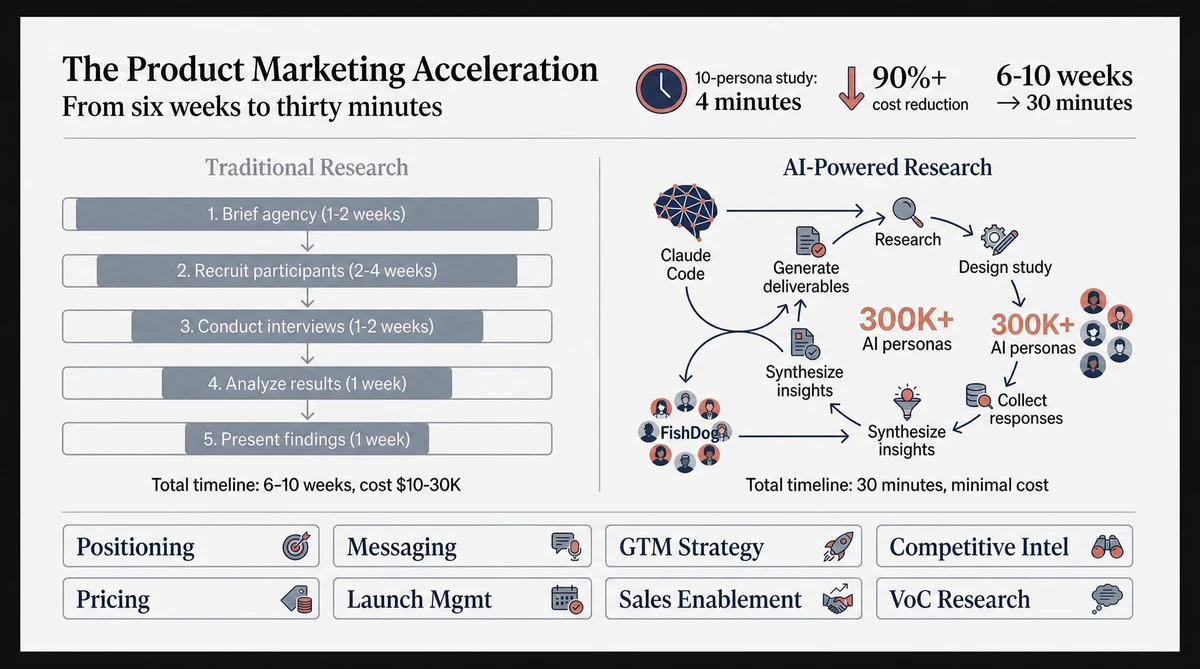
Product marketing has a timing problem. The discipline is built on research, validation, and iteration, yet the tools av...
Read Article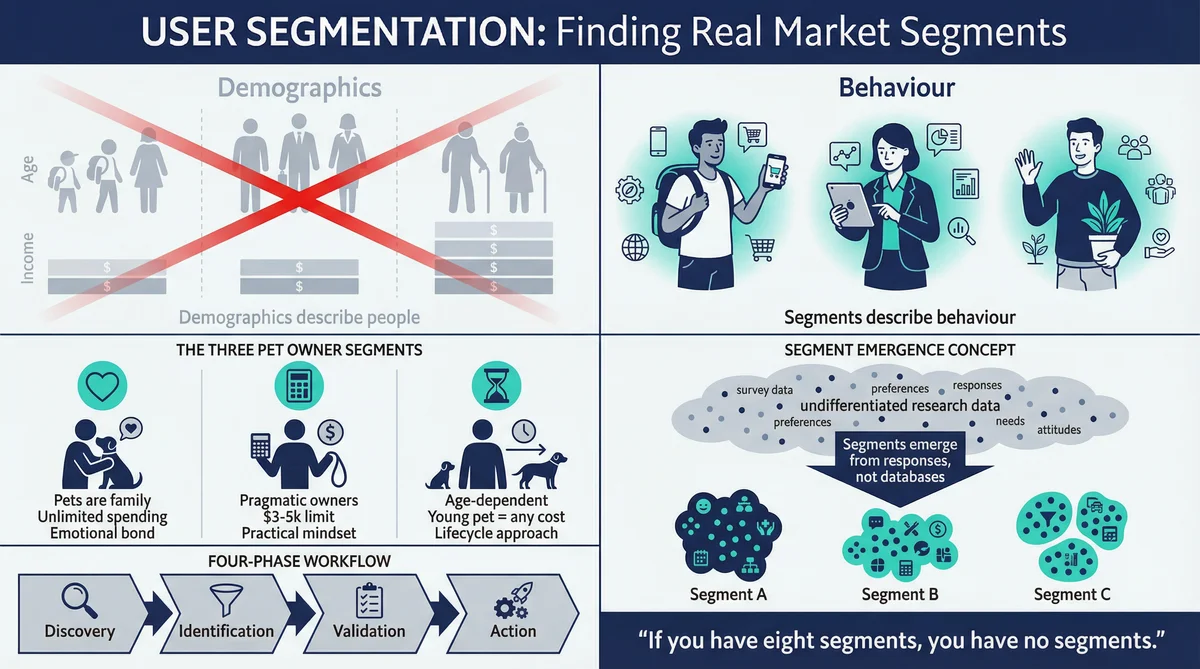
Most teams segment their market before they've spoken to it. They carve up potential users by demographics or firmograph...
Read Article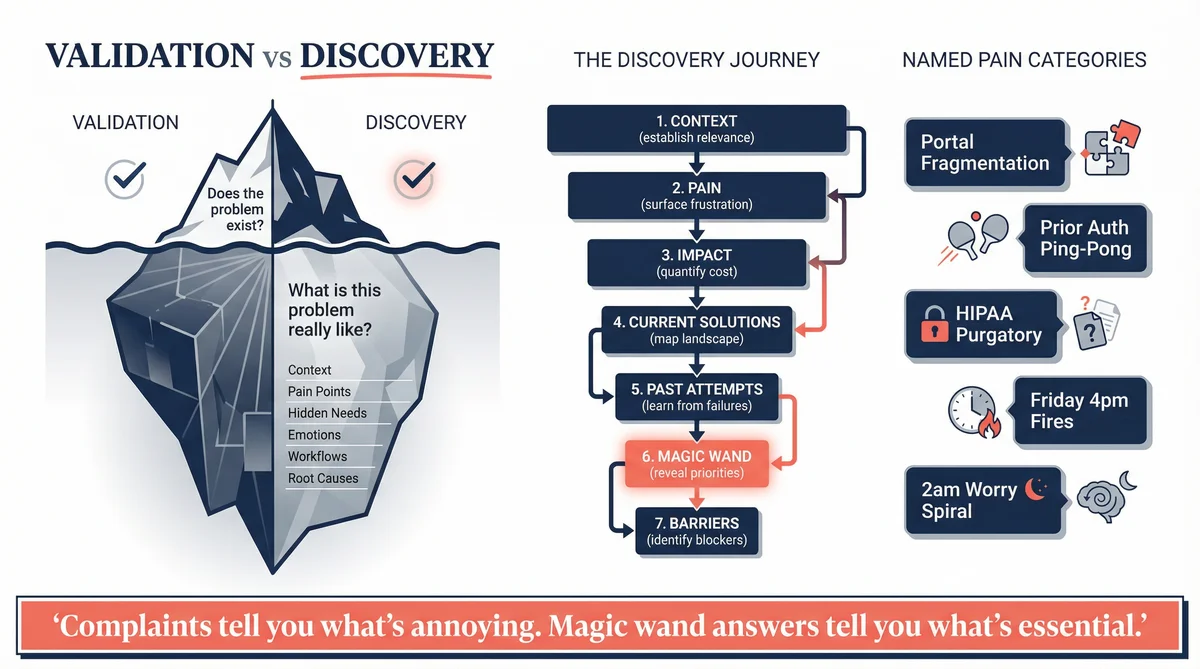
Problem framing tells you that a problem exists. Discovery research tells you what it actually feels like to have that p...
Read Article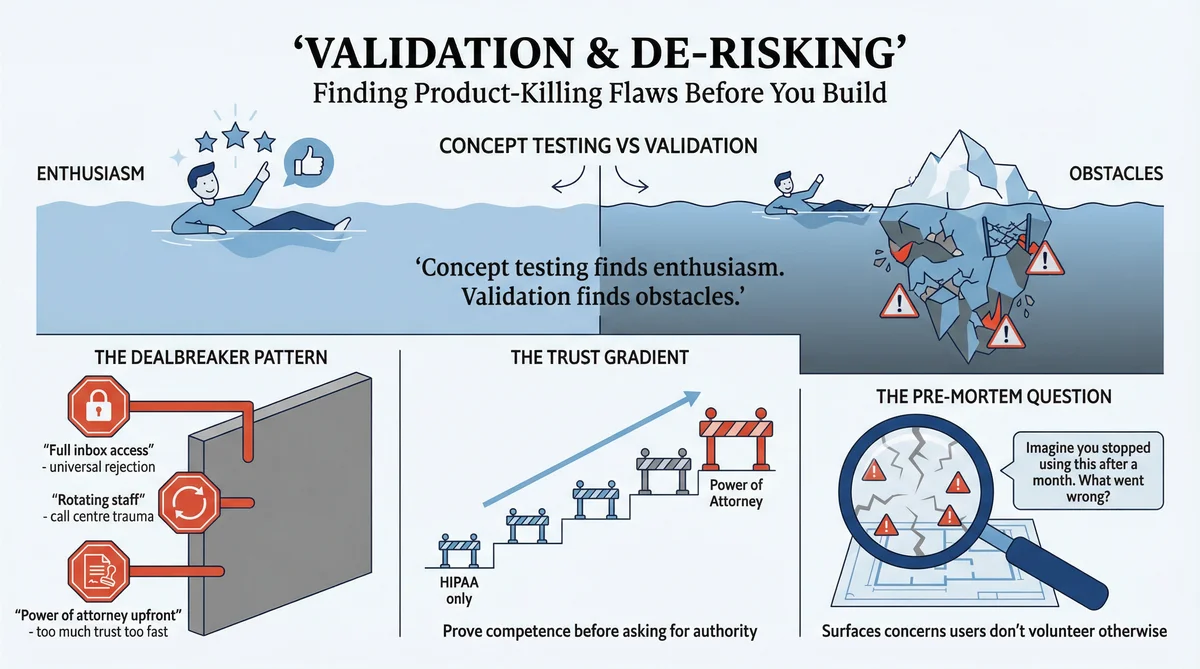
In software, the cost of fixing a bug increases exponentially the later you find it. A bug caught in design costs almost...
Read Article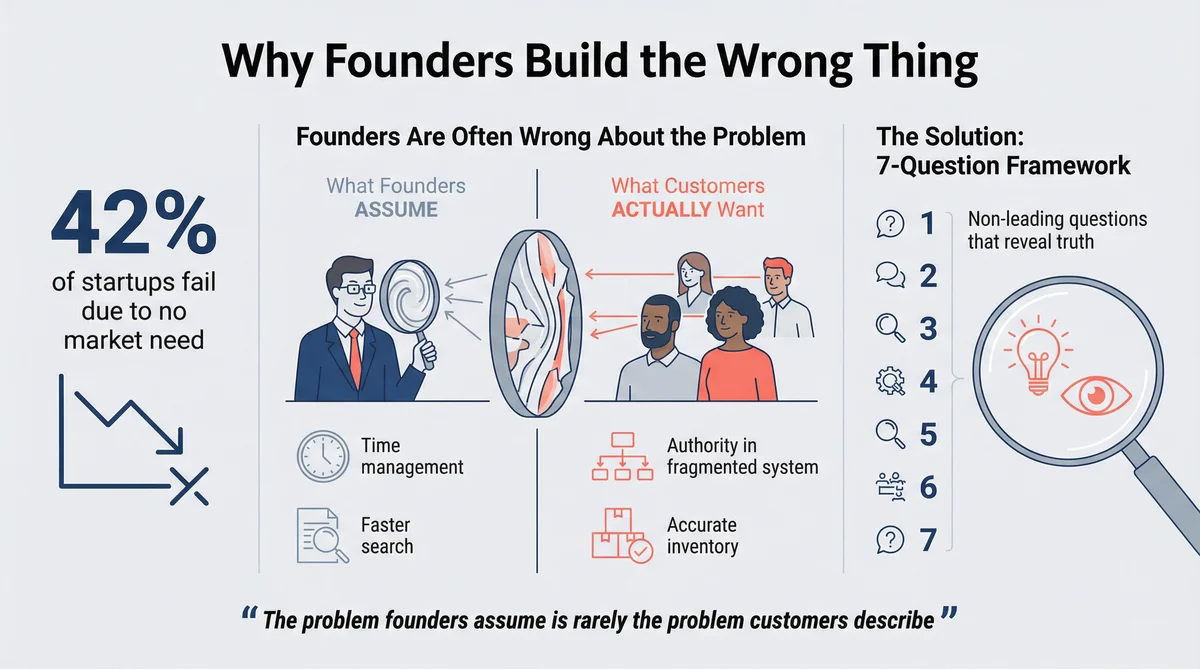
Most products fail. This is not news. What's genuinely odd is that we've known the primary cause for decades, and yet fo...
Read ArticleProduct marketing owns positioning, messaging, pricing research, competitive intelligence, customer segmentation, sales enablement, and launch coordination. The remit varies by company, but the common thread is: making sure the right product reaches the right buyer with the right message and the right competitive narrative.
No. AI agents and synthetic research dramatically accelerate the evidence-gathering work product marketers do — running positioning tests, validating messaging, exploring pricing — but the strategic judgement (which segments to prioritise, what positioning to commit to) remains a human decision. The pattern is augmentation, not replacement.
A PMM operating system is a documented, repeatable set of workflows a product marketing team runs across the year: positioning reviews, messaging refreshes, pricing sensitivity tests, win/loss tracking, competitive intelligence updates, sales enablement content audits. The article in this collection on building a PMM operating system covers the structure end to end.
Synthetic research platforms make most product marketing research workflows runnable for a fraction of traditional cost: a positioning test that used to require a 400-person panel survey can run in 20 minutes against 100 synthetic personas. The how-to articles in this collection give specific study designs you can replicate.